
In today's era of continuously rising energy costs, the fuel efficiency of diesel generators has become a focal concern for many businesses and users. Fuel consumption not only affects operational costs but is also closely related to equipment performance, service life, and environmental impact. This article will explore the many factors that influence diesel generator fuel consumption and provide a series of practical optimization strategies to help achieve efficient generator operation, reduce fuel consumption, save costs, and enhance overall diesel generator performance.
The load of a generator has a direct and significant impact on its fuel consumption. When a generator operates at its rated load, its fuel efficiency reaches the optimal state. This is because generators are designed and optimized based on the rated load. At this point, all engine components work in coordination, allowing fuel to burn fully and achieve efficient energy conversion.
However, when the generator operates under low-load conditions, the situation is very different. Low-load operation leads to incomplete combustion, preventing fuel from being fully converted into mechanical energy, thus increasing fuel consumption. This is similar to the difference in fuel consumption between a car when it is empty and fully loaded; when empty, the engine output is insufficient, and fuel consumption is relatively high. Therefore, reasonably adjusting the load and ensuring that the generator operates as close to its rated load as possible is one of the key measures for optimizing fuel consumption.
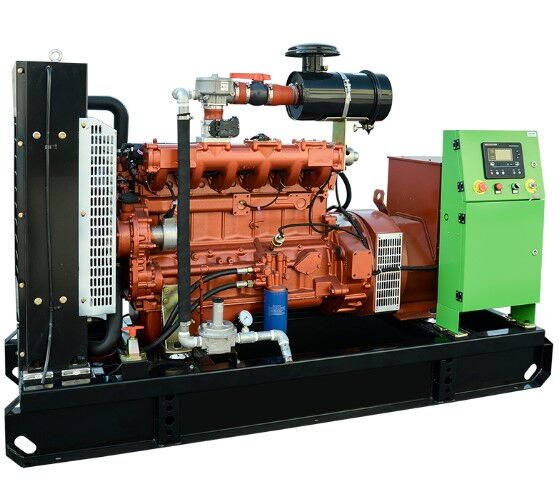
Regular maintenance is the cornerstone of keeping a generator at peak performance.
- Oil Replacement: Engine oil serves lubrication, cooling, and cleaning functions. If the oil is too dirty or degraded, friction between engine components increases, heat dissipation is poor, performance is affected, and fuel consumption rises. Therefore, replacing engine oil according to the manufacturer's recommended intervals is essential.
- Air Filter Cleaning: The air filter prevents dust and impurities from entering the engine. If the air filter is dirty or clogged, air intake is insufficient, fuel cannot burn fully, and fuel consumption increases. Regular cleaning or replacement of the air filter ensures that the engine receives adequate clean air, maintaining good combustion efficiency.
- Fuel Filter Replacement: Fuel filters remove impurities and water from fuel to ensure its cleanliness. A blocked fuel filter leads to poor fuel supply, incomplete combustion, and increased fuel consumption. Regular replacement ensures smooth fuel flow into the engine and improves combustion efficiency.
In summary, regular maintenance not only extends the service life of the generator but also effectively reduces fuel consumption and lowers operational costs.
Environmental conditions have a significant impact on generator fuel consumption.
- Temperature: When the ambient temperature is too high, engine cooling becomes difficult, leading to increased engine temperature, reduced combustion efficiency, and higher fuel consumption. Conversely, when the ambient temperature is too low, fuel viscosity increases, engine starting becomes difficult, and combustion is incomplete, which also increases fuel consumption. Therefore, in high-temperature environments, generator cooling measures should be strengthened, such as increasing the power of cooling fans or improving radiator efficiency. In low-temperature environments, preheating devices or low-pour-point fuel can be used to ensure the engine operates within an appropriate temperature range.
- Humidity: Humidity has a relatively small effect on fuel consumption, but in high-humidity environments, increased water content in the air may cause incomplete fuel combustion, slightly increasing fuel consumption.
- Altitude: High-altitude areas have thin air and insufficient oxygen, which affects combustion, causing fuel not to burn fully and increasing fuel consumption. Therefore, when using generators at high altitudes, engine adjustments may be necessary, such as increasing fuel injection or adjusting ignition timing, to adapt to local conditions and reduce fuel consumption.
The operating habits of personnel directly affect generator fuel consumption.
- Frequent Start-Stop Operations: Frequent starting and stopping lead to multiple cycles of startup and idling, both of which consume relatively high amounts of fuel. Therefore, minimizing unnecessary start-stop operations can effectively reduce fuel consumption.
- Overload Operation: Operating the engine at high loads for extended periods leads to incomplete combustion and significantly higher fuel consumption. Operators should strictly follow the generator's rated power and avoid long-term overload operation.
- Improper Throttle Control: Fuel consumption can also increase if throttle control is improper; for example, excessively high or low throttle opening affects combustion efficiency. Operators should master correct throttle control techniques and adjust the throttle according to actual load demand to ensure the engine operates under optimal conditions.
Thus, professional training for operators to enhance energy-saving awareness is an important measure to reduce fuel consumption. Training helps operators understand the generator's working principles and operating standards, allowing them to implement energy-saving practices in daily operations.
Analyzing actual fuel consumption is an important method for optimizing generator operation. By collecting and analyzing fuel consumption data during actual operation, including total fuel consumption, operating hours, and load conditions, one can fully understand the generator's fuel usage.
These data help identify abnormal fuel consumption patterns and allow timely adjustments and optimization. For instance, if fuel consumption during a certain period is noticeably higher than normal, analysis can determine whether the cause is excessive load, improper operation, or equipment failure. Targeted measures, such as adjusting the load, training operators, or performing maintenance, can then be implemented to reduce fuel consumption effectively.
Therefore, establishing a comprehensive fuel consumption monitoring and analysis system and regularly collecting and analyzing generator fuel data is crucial for optimizing operational efficiency and reducing fuel consumption.
Selecting the appropriate generator according to actual needs is fundamental for reducing fuel consumption.
For high-load environments, diesel generators are recommended. Diesel generators have high power, efficiency, and low fuel consumption, meeting high-load electricity demands.
For environments with fluctuating loads, generators with adjustable load capabilities are suitable. These generators automatically adjust output based on actual load, maintaining operation at the optimal load point, effectively reducing fuel consumption.
Choosing generators with higher energy efficiency standards is also important. High-efficiency generators use advanced technology and materials to improve fuel combustion efficiency and reduce fuel consumption.
Therefore, when purchasing generators, energy efficiency standards should be fully considered, and products meeting energy-saving requirements should be selected.
Strengthening load management is an effective measure to reduce fuel consumption. Generators should avoid prolonged low-load operation, which leads to incomplete combustion and wasted fuel.
Dynamic load scheduling technology can adjust generator operation according to electricity demand, ensuring operation at the optimal load point. For example, increasing output during peak periods and reducing output or idling during off-peak periods improves fuel efficiency and extends equipment life. Proper scheduling of electrical equipment to avoid simultaneous startup of multiple machines can also effectively reduce load fluctuations, achieving energy saving.
Using high-quality fuel significantly improves combustion efficiency and reduces fuel consumption. Selecting fuel with high calorific value and low sulfur not only increases engine power output but also reduces fuel usage. High-quality fuel also reduces pollutant emissions, benefiting the environment. Therefore, purchasing fuel from reputable suppliers and ensuring proper storage and handling to prevent contamination or degradation is essential for optimal combustion and fuel efficiency.
Regular training of operators is an important guarantee for reducing fuel consumption. Training enables operators to master correct operation methods and energy-saving techniques, improving operational skills and fuel management awareness. Training content can include generator principles, operation specifications, energy-saving measures, and troubleshooting. Through training, operators gain a deeper understanding of generator performance characteristics and how to achieve energy saving under different conditions. Enhancing operators' energy-saving awareness encourages adoption of practices such as proper throttle control and minimizing start-stop cycles, effectively reducing fuel consumption.
With technological advancement, new technologies and intelligent monitoring provide strong support for reducing fuel consumption.
Fuel management systems can monitor fuel consumption in real time, detect anomalies, and adjust fuel injection accordingly to ensure the engine operates under optimal combustion conditions. Temperature monitoring systems track engine temperature and automatically adjust cooling to prevent overheating or excessive cooling, improving combustion efficiency and reducing fuel consumption.
These intelligent measures improve generator operation efficiency, enable scientific management, and lower operating costs. Enterprises should actively adopt new technologies and smart monitoring systems to improve management and achieve energy-saving goals.
Diesel generally contains minerals and impurities, which, if not treated, can affect the operation of pistons and injectors, resulting in uneven fuel supply and poor atomization, lowering engine power and increasing fuel consumption. Therefore, before using diesel, it is recommended to allow it to settle so that impurities can precipitate. During refueling, use a funnel with a filter to remove additional impurities. Regular cleaning or replacement of filters is also essential to maintain diesel cleanliness. These purification measures ensure fuel quality entering the engine, improve combustion efficiency, and reduce fuel consumption.
During operation, diesel generator components reach high temperatures, causing carbon deposits on valves, valve seats, injectors, and piston tops. These deposits hinder normal engine operation and increase fuel consumption. If not cleaned timely, they may lead to engine failure. Cleaning engine components every 4–6 months is recommended to maintain optimal performance. Removing carbon buildup restores engine efficiency, improves combustion, and lowers fuel consumption.
The temperature of diesel engine cooling water significantly affects fuel consumption. Water that is too cold results in incomplete combustion, increasing engine load and wasting fuel. Choosing appropriate cooling water is therefore important. Avoid water with high mineral content such as distilled or rainwater, which may cause scale formation, and also avoid contaminated water that can clog the cooling system. Proper cooling water ensures the cooling system operates normally, improving combustion efficiency and reducing fuel consumption.
Overloading the generator causes black smoke, indicating incomplete combustion, which not only increases fuel consumption but also shortens component life. Therefore, strict adherence to maintenance manuals and regular inspections is necessary. Regular checks and timely maintenance prevent operation under faulty conditions, reducing fuel consumption and protecting equipment.
Diesel generator fuel consumption is influenced by multiple factors, including load conditions, maintenance, environmental factors, and operator habits. Through measures such as optimizing load, performing regular maintenance, adapting to environmental conditions, standardizing operational habits, choosing appropriate generators, strengthening load management, using high-quality fuel, training operators, and leveraging new technologies and intelligent monitoring, fuel consumption can be effectively reduced, and operational efficiency and economic benefits enhanced.
In practice, enterprises should combine these measures according to actual needs and conditions, formulate scientific management strategies, and implement regular maintenance and inspection to identify and resolve potential problems promptly. These efforts ensure long-term stable operation, lower fuel consumption, and bring greater economic and environmental benefits to enterprises and society.