
Diesel generator sets have become essential equipment in industrial production and emergency power supply system due to their low investment cost, fast startup capability, convenient maintenance, and strong environmental adaptability. To fully realize these advantages, routine cleaning and maintenance are indispensable. This article introduces detailed cleaning methods for various types of contaminants in diesel generator sets, helping operators master proper maintenance techniques and effectively extend equipment service life.
During long-term operation, dirt such as oil stains, carbon deposits, scale, and rust gradually accumulates on the surfaces of diesel generator components. If not removed in time, these contaminants may cause multiple problems.
First, contamination reduces operational efficiency. For example, scale inside the radiator water tank can significantly weaken heat dissipation, leading to excessive engine temperature. Carbon deposits in the combustion chamber can obstruct normal combustion and increase fuel consumption.
Second, dirt accumulation accelerates component wear. Hard particles act like sandpaper, continuously damaging precision mating surfaces and shortening equipment lifespan.
Most importantly, regular cleaning helps prevent accidents. Oil accumulation may cause fire hazards, while poor heat dissipation may result in overheating and equipment damage, potentially leading to serious safety incidents and economic losses.
Therefore, establishing a scientific cleaning and maintenance system and adopting correct cleaning methods are core aspects of diesel generator management.
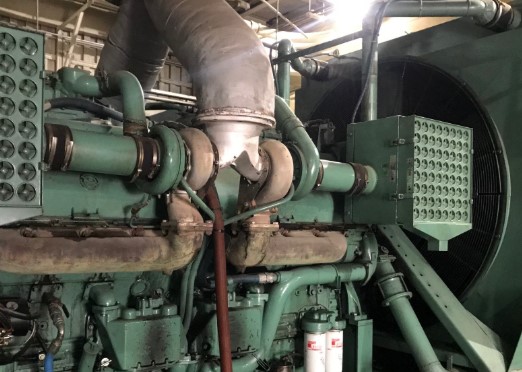
The water tank is a critical component of the cooling system, and scale buildup can severely reduce heat dissipation efficiency. The following procedure can be used:
Prepare a cleaning solution by mixing 0.6 kg of kerosene, 2.5 kg of caustic soda (sodium hydroxide), and 30 kg of water.
Pour the prepared solution into the generator water tank.
Start the diesel generator and run it at medium speed for about 10 minutes, then shut it down.
Allow the solution to react with the scale for 10–12 hours.
Restart the unit, run at medium speed for another 10 minutes, then drain the cleaning solution.
Add clean cooling water, run the generator at medium speed, and flush residual substances.
Repeat the above process 2–3 times until the water tank is thoroughly cleaned.
When using caustic soda, protective measures must be taken to avoid direct skin contact. During cleaning, closely monitor equipment conditions and stop operation immediately if any abnormality is detected.
Many generator components are prone to oil contamination. Different cleaning methods can be selected according to contamination severity and material characteristics.
This method is suitable for small- and medium-sized parts produced in single or small batches. Components are placed in a container filled with diesel, kerosene, or other cleaning solutions and wiped using cotton yarn or brushes. The method is simple but has relatively low efficiency.
Note: Gasoline is generally not recommended for cleaning because its strong degreasing property may harm operator health and easily cause fire hazards.
This method is suitable for parts with thick oil contamination. The prepared alkaline cleaning solution and parts are placed in a welded steel cleaning tank and heated to 80–90°C for boiling cleaning. Hot cleaning softens stubborn oil stains and improves cleaning effectiveness.
Cleaning solution is sprayed onto component surfaces under pressure and temperature to remove oil stains. This method provides high cleaning efficiency but requires relatively complex equipment and is suitable for parts with severe oil contamination and relatively simple geometries.
Components are placed in a cleaning basket or rack inside a vibration cleaning machine and immersed in cleaning solution. The vibration generated by the machine simulates manual rinsing while chemical action helps remove oil contaminants.
Combining chemical cleaning solution with ultrasonic vibration, this method can penetrate into narrow gaps and complex internal structures, achieving thorough removal of stubborn oil contamination.
General metal parts: Use alkaline cleaning solution heated to 70–90°C and soak for 10–15 minutes.
Aluminum alloy parts: Avoid strong alkaline solutions; use neutral or specialized cleaning agents.
Rubber non-metallic parts: Use alcohol or brake fluid to prevent aging or deformation of rubber materials.
After cleaning, rinse components with clean water and dry them using compressed air to prevent residual cleaning solution from causing corrosion.
Carbon deposits may form in the combustion chamber, intake passage, fuel injector, piston crown, and valves due to incomplete fuel combustion, lubricant evaporation residue, and airborne impurities.
Excessive carbon buildup can lead to engine knocking, difficult starting, reduced power output, and increased fuel consumption, significantly affecting equipment performance.
Mechanical removal: Using metal brushes or scrapers. This method is simple but may not remove carbon deposits completely and can damage component surfaces, so it is rarely used today.
Chemical removal (recommended): Heat decarbonizing agents to 80–90°C and immerse components to allow carbon deposits to expand and soften before removal using brushes or similar tools. This method provides thorough cleaning with minimal component damage.
Non-disassembly cleaning: Suitable for light carbon accumulation. Common approaches include injecting carbon cleaning additives through the fuel or intake system so that deposits are softened and removed during operation.
Engine on-site cleaning equipment: Atomized cleaning solution is sprayed into the intake system to gradually dissolve carbon layers inside the intake and combustion chambers.
Disassembly cleaning: Suitable for severe carbon buildup or hardened coke layers. Components such as injectors, intake manifolds, and valves must be removed for ultrasonic cleaning, chemical soaking, or manual brushing. When carbon deposits inside the combustion chamber are severe, techniques such as piston crown scraping and cylinder mirror surface treatment may be used.
- Use low-ash diesel with stable quality
- Replace engine oil and oil filters regularly
- Ensure good sealing of the fuel system to prevent air leakage
- Inspect air filters regularly to prevent contaminants from entering
Avoid long-term low-load operation and maintain appropriate operating temperature and load level
Depending on operating conditions, urban operating environments should be inspected every 10,000–15,000 km, while high-intensity operating conditions may require shorter intervals.
Regular fuel tank cleaning helps ensure fuel purity and prevents impurities from entering the engine and causing wear.
Remove the fuel tank drain plug and discharge stored fuel, then reinstall the plug.
Remove the fuel tank cap and filter screen, and add clean fuel so that the oil level is about 15–20 mm from the tank bottom.
Prepare a spray cleaning device. The spray head is usually a metal tube about 12 mm in outer diameter and 250 mm in length, with 4–5 holes of about 1 mm drilled at one sealed end, while the other end is connected to a compressed air hose.
Insert the hose with the spray head into the bottom of the fuel tank and seal the filling opening with clean cotton cloth.
Turn on the compressed air supply and maintain air pressure at 380–600 kPa.
When the spray head has cleaned the entire fuel tank, immediately remove the drain plug to discharge contaminated oil.
Repeat the process 2–3 times until contaminants are completely removed.
Check the fuel tank filter screen for dirt or damage and repair or replace if necessary.
Inspect the tank cap ventilation valve; if the spring lacks elasticity or is corroded, repair or replace it.
Fill the tank with clean fuel and remove air from the fuel line.
To ensure safe and effective cleaning, the following standard workflow is recommended:
- Preparation: Shut down the generator set and disconnect it from the power supply to ensure the equipment has completely stopped operating. Allow components to cool to room temperature before cleaning to avoid burns.
- Solvent Selection: Choose appropriate cleaning solvents based on component materials. Petroleum solvents or specialized cleaning agents are recommended, ensuring they are harmless to component materials while maintaining good cleaning performance.
- Component Disassembly: Disassemble parts that require cleaning, such as filters, injectors, and piston rings, for thorough cleaning.
- Soaking and Cleaning: Immerse components in cleaning solvent to ensure full penetration. Gently brush surfaces using soft brushes or spray guns to avoid scratching components with hard tools.
- Rinsing and Drying: Rinse components thoroughly with clean water to remove residual cleaning solution. Air dry or use drying equipment, ensuring complete dryness before reassembly.
- Reassembly and Testing: Reinstall cleaned components correctly and add lubricating oil if necessary. Check and tighten all connections.
In addition to mastering proper cleaning techniques, establishing a regular maintenance system is equally important.
- Daily inspection: Check external cleanliness and remove surface dust and oil stains.
- Scheduled maintenance: Perform comprehensive cleaning and maintenance according to the operation manual.
- Record management: Maintain maintenance records including cleaning time, content, and identified issues.
- Personnel training: Ensure operators understand correct cleaning techniques and safety standards.
Through scientific cleaning and maintenance practices, diesel generator sets can maintain optimal performance, significantly extend service life, reduce failure rates, and lower maintenance costs, thereby creating greater economic benefits for enterprises.
