
Fuel-efficient generator sets refer to power generation equipment that is capable of producing maximum energy output with minimal fuel consumption. These types of generator sets usually adopt advanced technologies such as electronic fuel injection (EFI) systems, load-sensing operating modes, and inverter technology. Through these systems, the generator set can automatically adjust its output power according to real-time electricity demand, thereby reducing unnecessary energy waste and improving overall operational efficiency.
With continuous technological development, the thermal efficiency of some modern generator sets has reached or even exceeded 40%, depending on the specific model and operating conditions. At the same time, these generator sets also demonstrate clear environmental advantages. Because they achieve more complete combustion and lower overall energy consumption, their greenhouse gas emissions are relatively reduced, which better aligns with the current global trend of energy conservation and emission reduction.
In long-term continuous operation scenarios, such as industrial production environments or backup power supply systems, fuel-efficient generator sets can significantly reduce fuel consumption, decrease the frequency of refueling, and effectively control overall operating costs.
After understanding the basic concept and working principles of fuel-efficient generator sets, we can further examine the practical benefits they provide in real-world applications. Whether it is reducing daily operating expenses, minimizing environmental impact, or improving user experience and equipment lifespan, fuel-efficient generator sets demonstrate clear advantages across multiple aspects.
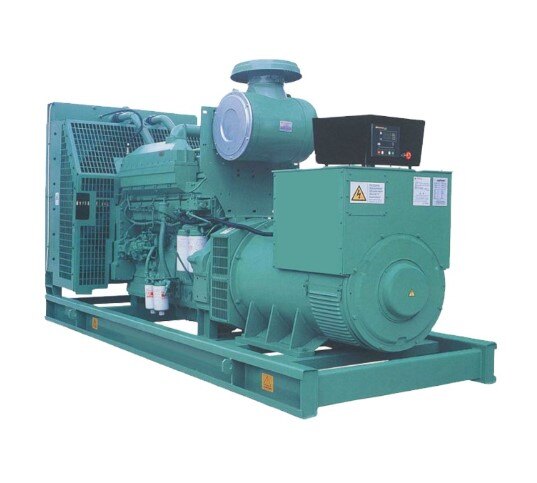
Fuel-efficient generator sets can significantly reduce fuel consumption. Some models equipped with inverter technology can reduce fuel usage by approximately 30%, thereby lowering overall fuel expenses. In long-term usage scenarios, efficient diesel or gasoline generator sets can save approximately 40% of fuel costs. This makes them especially suitable for users who require frequent or continuous power supply, as fuel savings accumulate substantially over time.
In commercial or industrial environments where long-term operation is required, fuel-efficient generator sets offer significantly lower operating costs. This is particularly important for applications that require 24-hour continuous power supply. Due to reduced fuel consumption, users can decrease refueling frequency and overall fuel expenditure during continuous operation. Over time, this leads to a noticeable reduction in total operating costs, improving overall economic efficiency.
Because fuel-efficient generator sets achieve higher combustion efficiency, they are capable of reducing carbon emissions by approximately 25%. This contributes to lowering environmental pollution and supports the growing demand for cleaner and more sustainable energy solutions. According to data from the United States Environmental Protection Agency (EPA), small engines—including generator sets—can account for up to 26% of hydrocarbon emissions from mobile sources in urban environments. Therefore, adopting fuel-efficient generator sets helps significantly reduce environmental impact.
Fuel-efficient generator sets generally operate in a smoother and more optimized condition, resulting in better mechanical load distribution. This reduces internal wear and tear, extends engine lifespan, and decreases the frequency of maintenance and repair costs. In addition, the application of intelligent control systems allows the generator set to maintain optimal operating conditions, further extending overall equipment life and improving return on investment.
Many fuel-efficient generator set models are designed with noise-reduction features. Under low-load conditions, noise levels can typically be controlled within the range of approximately 50 to 60 decibels, making them suitable for use in hospitals, residential areas, and commercial environments. In particular, inverter-type fuel-efficient generator sets are widely favored not only for their high fuel efficiency but also for their low-noise operation. They are especially suitable for home use, camping, and outdoor recreational activities, providing stable and quiet power supply.
Fuel-efficient generator sets are often designed with a more compact and lightweight structure. This gives them a clear advantage in terms of portability and ease of installation. In outdoor applications such as camping, recreational vehicle travel, and field operations, these generator sets are easy to transport and set up. At the same time, they are capable of providing stable power for lighting systems, cooking equipment, and various electronic devices.
The high efficiency of fuel-efficient generator sets is primarily derived from their advanced technological design. These devices are usually equipped with intelligent throttle control systems and inverter technology, which allow the engine speed to automatically adjust according to actual power demand. This prevents unnecessary fuel consumption and improves overall efficiency.
In addition, optimized engine design, low-friction mechanical structures, and high-precision manufacturing processes all contribute to improved fuel utilization. These factors ensure that the generator set maintains stable output performance while minimizing fuel consumption.
Inverter generator sets are particularly efficient because they continuously adjust engine speed based on load changes. By dynamically matching power output to demand, they maintain high fuel efficiency under varying operating conditions. At the same time, this adaptive operation reduces noise levels, making them especially suitable for environments that require quiet operation.
- Inverter Generators: Inverter generators adjust engine speed automatically according to load variations. This allows them to maintain high fuel efficiency across different power demands. They are particularly suitable for household applications and sensitive electronic devices. In addition to high efficiency, they also offer low-noise operation, making them a popular choice for residential and recreational use.
- Portable Energy-Saving Generator Sets: Portable energy-saving generator sets are designed to automatically reduce fuel consumption under low-load conditions. They are ideal for camping, temporary power supply, and outdoor activities. Their lightweight structure makes them easy to carry and transport, while their low-noise operation helps maintain a quiet natural environment, enhancing outdoor comfort.
- High-Efficiency Standby Generator Sets: Standby generator sets are mainly used for emergency power supply in residential or industrial settings. They are characterized by high reliability and long-duration operation capabilities. In the event of power outages or emergencies, models equipped with smart control systems or remote management functions offer greater convenience and ease of use.
- Dual-Fuel Generator Sets: Dual-fuel generator sets are capable of switching between gasoline and propane fuels. This flexibility allows users to adjust fuel usage based on availability and cost. By selecting the most economical fuel option, users can further reduce operating expenses while maintaining reliable power output.
After understanding the different types of fuel-efficient generator sets, the next step is selecting the most appropriate unit based on actual needs. When purchasing a generator set, it is not sufficient to consider only price or brand. The key is to match the equipment with real power demand while also considering factors such as capacity margin, fuel type, and ease of operation.
Before selecting a generator set, it is necessary to evaluate actual power consumption needs, including both running power and starting power of all devices. Special attention should be given to high-start-load appliances such as refrigerators and air conditioners. A proper assessment of total household or industrial load helps ensure appropriate generator set selection and avoids overload or inefficient operation.
It is generally recommended to select a generator set with a capacity 20% to 25% higher than the calculated total load. This ensures stable operation and allows room for future expansion. If the generator set is oversized, it may operate inefficiently under low-load conditions. If it is undersized, it may frequently operate under overload conditions, increasing fuel consumption and reducing equipment lifespan.
Depending on usage scenarios and fuel availability, users can choose between gasoline, diesel, or dual-fuel generator sets. Dual-fuel models offer greater flexibility as they allow switching between different fuel sources based on cost and availability.
Generator sets with simple operation systems, intelligent control features, or remote management functions are more convenient to use, especially in emergency situations such as power outages.
Fuel efficiency in generator sets is influenced by multiple interrelated factors rather than a single condition.
Generator sets typically achieve optimal efficiency when operating at 50% to 80% of rated capacity. Prolonged low-load operation can result in incomplete combustion and energy waste. On the other hand, long-term overload operation increases fuel consumption and accelerates equipment wear, potentially leading to system failures. Therefore, matching actual load with generator set capacity is essential for improving fuel efficiency.
Accurate assessment of power requirements during the selection stage is crucial for ensuring fuel efficiency. Choosing the correct capacity helps maintain optimal operating conditions.
Fuel quality directly affects generator set performance. Poor-quality or contaminated fuel can lead to incomplete combustion, reduced efficiency, and increased fuel consumption. It is essential to use standardized fuel and ensure proper filtration and storage to prevent impurities from entering the engine system.
Regular maintenance plays a decisive role in fuel efficiency. Neglecting oil changes, filter replacements, and engine tuning can lead to performance degradation, increased fuel consumption, and even equipment failure. Proper and continuous maintenance ensures that the generator set operates in optimal condition.
Ventilation and cooling conditions are also important. High ambient temperatures or poor ventilation can reduce engine efficiency and increase fuel consumption. Generator sets should be installed in well-ventilated environments with sufficient cooling conditions, and cooling systems should be checked regularly.
Maintain operation within optimal load range (50%–80%)
Perform regular maintenance to reduce fuel consumption by 15%–50%
Use high-quality fuel and fuel additives to improve combustion
Install fuel monitoring systems to track consumption and detect anomalies
Reduce idling time to save 5%–10% fuel
Optimize operating environment and cooling conditions to improve efficiency by 10%–15%
Balance load distribution to avoid overload and imbalance
Use fuel stabilizers to extend fuel storage life
Upgrade to high-efficiency generator set models to achieve up to 40% fuel savings
Overall, the fuel efficiency of generator sets is determined by multiple factors, including load management, equipment selection, fuel quality, maintenance practices, and operating environment. Only through proper selection, scientific operation, standardized maintenance, and strict management can stable and efficient fuel utilization be achieved, while effectively reducing long-term operating costs.
In today’s context of rising energy costs and increasingly strict environmental requirements, choosing fuel-efficient generator sets has become a more rational investment decision. Through advanced technology, fuel-efficient generator sets achieve a balance between power output, economic performance, and environmental protection. They not only meet the electricity needs of households and industrial users but are also suitable for a wide range of complex outdoor applications. Against the background of increasing importance of energy management and sustainable development, fuel-efficient generator sets have become a highly valuable solution in modern power systems.
