
Hospitals are unique facilities that operate continuously 24 hours a day. Their power supply is directly related to patient safety and survival. If a hospital experiences a power outage, the consequences can be extremely serious. Patients undergoing surgery in operating rooms, individuals in intensive care units (ICUs) who rely on ventilators to sustain life, and patients in post-operative recovery areas all depend on electrically powered medical equipment to maintain stable vital signs. Once power is lost, these patients’ lives may be placed in immediate danger.
Power outages can also disrupt many essential hospital systems, including heating and cooling systems, security systems, lighting, emergency signage, and communication networks. All of these facilities require a stable power source like diesel generator sets to function properly. In addition, laboratory specimens stored in hospitals, such as blood, plasma, and tissue samples, are typically kept under strictly controlled temperature conditions. If power fails, these critical resources can quickly face the risk of damage or loss. Certain medications must also be stored at specific temperatures. When power outages disable temperature control systems, medications may deteriorate and become unusable.
Because the risks are so high, hospitals must be equipped with reliable backup power systems like diesel generators. Hospital emergency power systems are subject to strict regulations to ensure that healthcare facilities can continue operating during emergencies.
Given the severe consequences of power outages—from sustaining life-support systems and preserving refrigerated medical supplies to protecting expensive medical equipment and ensuring surgical safety—stable and reliable power is essential for every part of a hospital’s operations. But how exactly do backup generators function during critical moments? What key roles must they perform? The following sections explain the essential functions of hospital backup generators.
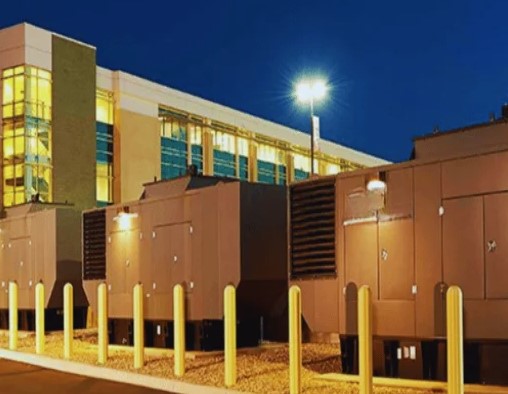
Patients in intensive care units rely on life-support equipment to stay alive, and a power outage can quickly become a life-threatening situation. Backup power systems prevent life-support devices from shutting down and ensure that emergency medical equipment can continue operating during critical moments.
In most regions, regulations require hospital backup generators to restore power within 10 seconds after a power outage. Failure to meet this requirement could pose severe risks to patients dependent on life-support systems. As a result, hospital generators are typically subject to stricter quality and maintenance standards than generators used in most other industries.
Many medical supplies must be stored under refrigeration, including vaccines, blood, insulin, tissue samples, plasma, organs, and intravenous fluids. If a power outage stops refrigeration equipment, backup generators must start quickly to prevent storage temperatures from rising.
If the temperature exceeds specified limits for a certain period, these medical supplies must be discarded, resulting in substantial financial losses and the waste of valuable medical resources. Therefore, maintaining the operation of refrigeration equipment is essential for safeguarding medical supplies.
Hospitals rely heavily on advanced medical equipment such as MRI scanners, X-ray systems, diagnostic testing devices, and patient monitoring systems. These machines are not only extremely expensive but also highly sensitive to power interruptions.
Power outages can cause serious damage to these devices, potentially requiring costly repairs or replacements. During the repair period, hospitals may also be unable to provide related medical services. Backup power systems help protect these valuable assets while ensuring that diagnostic systems and data systems continue to operate normally.
Surgical equipment also requires a continuous and stable power supply. Equipment such as operating room lighting, ventilators, electrocardiogram monitors, and heart-lung machines must function continuously during surgical procedures.
Ensuring uninterrupted operation prevents surgical procedures from being disrupted and helps protect patient safety. In certain time-critical procedures, such as organ transplants, every minute is crucial. Backup generators prevent delays caused by power outages and help reduce surgical risks.
Hospital infrastructure itself depends on electricity to operate properly. Heating, ventilation, and air-conditioning (HVAC) systems regulate temperature and humidity, while elevators and escalators rely entirely on electrical systems.
Backup generators allow these essential facilities to continue operating during power outages, enabling hospitals to maintain basic operations. Hospitals also require high levels of lighting to support medical staff in performing emergency tasks. If a power outage causes dim lighting or total darkness, surgeons, emergency physicians, and nurses may struggle to perform procedures, potentially leading to serious safety incidents.
Electronic medical record (EMR) systems are a critical component of modern healthcare. With cloud-based data storage, patient information can be shared across different medical institutions. However, these systems rely on continuous power for computers and servers.
During a power outage, backup generators ensure that these systems continue operating so medical staff can access essential patient information and communicate effectively. Security systems also rely on electricity. Access control systems require power to allow authorized personnel to enter laboratories, operating rooms, or offices that store sensitive patient data. Hospital backup power systems ensure these security systems remain operational during outages, protecting hospital facilities and restricted areas.
- Dual Power Supply Protection: Hospitals must typically have at least two power sources. The primary source is the electrical grid, while the secondary source is the backup generator used for critical equipment. Healthcare facilities must therefore maintain sufficient backup capacity to support essential operations until the main power supply is restored. For large hospitals or medical campuses, a single generator is usually insufficient to meet the entire power demand. Multiple generators are often installed to provide higher power capacity and system redundancy. This redundancy ensures that even if one generator fails, others can continue supplying power.
- Rapid Response Capability: Hospital emergency power systems must meet strict response time requirements. In most cases, generators must start and restore power within 10 seconds of a power outage. To achieve this, hospitals typically install Automatic Transfer Switches (ATS). When the ATS detects a loss of main power, it immediately starts the generator and automatically switches the electrical load to the backup system. Once the main power supply is restored, the ATS shuts down the generator automatically. This automation is essential because manual generator startup cannot reliably meet the 10-second requirement.
- Fuel Storage Requirements: Hospital backup generators must typically maintain at least 96 hours of fuel reserves. This requirement ensures that hospitals can continue operating during prolonged power outages or natural disasters. Regular maintenance, testing, and fuel management are necessary to ensure generators operate reliably during emergencies.
- Diesel Generators: Diesel generators are the most common backup power solution used in hospitals. They are known for their robust structure, high reliability, good fuel efficiency, and relatively long maintenance intervals. Diesel generators can deliver large power outputs, making them well suited for powering extensive medical equipment systems. However, they require fuel storage, which is typically replenished by fuel delivery vehicles. If transportation routes are disrupted, fuel supply may be affected, so hospitals often install large on-site diesel storage tanks. It is also important to note that diesel fuel can degrade over time when stored for extended periods. Its typical storage life is about two years, so fuel quality must be monitored and maintained regularly.
- Natural Gas Generators: Natural gas generators offer advantages such as lower noise levels and cleaner emissions. They can also connect directly to municipal gas pipelines, eliminating the need for on-site fuel storage. However, natural gas generators generally require more frequent maintenance. Additionally, if natural gas supply is disrupted during natural disasters, the generators may not operate. To address this issue, some natural gas generators can be equipped with conversion kits that allow them to operate on propane (LPG) when necessary.
- Generator Room Design: The installation location of a generator is critically important. Hospitals typically construct dedicated generator rooms to allow maintenance personnel to inspect and service the equipment easily. Generator rooms must comply with local building, fire safety, and emissions regulations. They also require proper ventilation to prevent overheating or the accumulation of exhaust gases. Vibration isolation and noise reduction measures should also be implemented to minimize the impact of generator operation on surrounding areas.
- Regular Maintenance and Testing: All hospital backup generators must undergo regular maintenance and testing. For example, generators should be inspected weekly and tested under operation monthly. Hospitals must also keep at least two operation manuals on site and ensure that only trained professionals perform maintenance and testing. Electricians are responsible for routine maintenance to ensure that generators remain ready for immediate use. In addition, hospital logistics departments should organize emergency power outage drills once or twice each year. These exercises help staff become familiar with emergency procedures and ensure patient safety during real power interruptions.
- Professional Staff Training: Hospitals should provide training for relevant personnel so they are capable of inspecting, maintaining, and operating generators. Electricians must understand power supply systems and operational procedures while maintaining strict safety standards. Clinical departments typically maintain emergency lighting equipment such as flashlights or backup lamps, which should be inspected regularly to ensure they remain in working condition.
- Power Solutions for Temporary Medical Facilities: During major accidents or natural disasters, hospitals may receive large numbers of patients in a short period. Under such circumstances, hospitals must maintain continuous power to ensure critical equipment remains operational. Without backup power, patients may need to be transferred to other hospitals, which can pose serious risks. In some disaster scenarios, hospitals may exceed their capacity and need to establish temporary medical facilities or field hospitals. These temporary locations usually cannot connect to the main power grid and therefore require portable generators to supply electricity. Renting portable generators is a common solution because rental providers typically handle maintenance and testing. If medical institutions purchase portable generators themselves, they must maintain and test them regularly, just like permanently installed generators.
Selecting a backup generator for a hospital involves several important considerations. The most critical factor is generator capacity and power demand. Unlike many other buildings, hospital electricity demand must account not only for normal operations but also for emergency scenarios, such as a sudden influx of patients after a major accident.
When calculating generator capacity, hospitals must consider all critical equipment as well as additional loads that may arise during emergencies.
Because this calculation involves many complex factors, it is usually recommended that hospitals work with professional engineers and generator suppliers to design an appropriate backup power system.
The specific requirements for hospital generators also depend on the types of medical services provided. For example, generators that power life-support systems such as ventilators are subject to stricter regulatory requirements than those used only for lighting. As a result, hospitals often deploy multiple types of generators to support different operational systems.
Hospital backup generators are essential infrastructure for ensuring medical safety. From maintaining life-support equipment and protecting expensive medical devices to ensuring surgical safety and supporting data systems, backup generators play an indispensable role in every aspect of hospital operations.
Hospitals must regularly maintain backup generators, ensure compliance with relevant standards, conduct routine inspections and testing, and maintain adequate fuel reserves. Staff training is also essential so that personnel can properly inspect, maintain, and operate the equipment. Through these measures, hospitals can continue operating during unexpected power outages and protect the safety of both patients and medical staff.
For healthcare administrators, investing in a reliable backup power system is not only a regulatory requirement but also a responsibility to safeguard patient lives. When selecting and configuring backup generators, hospitals must carefully evaluate their operational needs, choose appropriate generator types and capacities, and establish comprehensive maintenance programs to ensure continuous and stable medical services under any emergency conditions.
