
In today's society, the stability and environmental friendliness of power supply are becoming increasingly important. As a clean, efficient, and environmentally friendly power generation device, natural gas generators are receiving more and more attention. Whether for residential, commercial, or industrial use, an appropriate natural gas generator can provide reliable power support. However, choosing a natural gas generator that truly suits your needs is not an easy task. This article will provide you with a comprehensive guide to help you make a wise choice among the many available options.
Power output is one of the core parameters of a natural gas generator, as it directly determines the amount of electricity the generator can provide. Different application scenarios have vastly different power requirements. Residential electricity consumption usually requires relatively small power, generally ranging from several kilowatts to more than ten kilowatts, mainly to meet basic needs such as daily lighting and household appliances. Commercial electricity usage requires greater power, which may range from tens of kilowatts to hundreds of kilowatts, to support the operation of office equipment, air conditioning systems, and other facilities. Industrial electricity usage requires generators with even higher power output, usually several hundred kilowatts or even several megawatts, to meet the electricity demands of large equipment such as factory production lines.
When selecting a generator, it is essential to determine the required power range based on your actual needs. If the power is too large, it will not only result in resource waste but also increase purchase and operating costs; if the power is insufficient, it will fail to meet electricity demands and may even damage equipment. For example, a small household may only need a 5–10 kW natural gas generator, while a medium-sized factory may require a 500–1000 kW generator. Therefore, before purchasing, it is best to conduct a detailed inventory of your electrical equipment, calculate the total power requirement, and then choose a generator with appropriate power capacity.
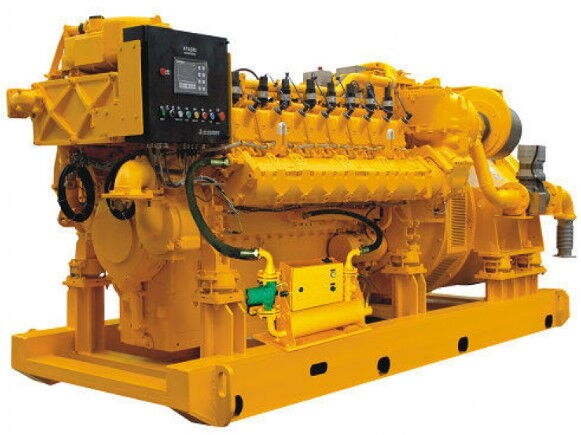
Brand reputation is an important factor that cannot be ignored when choosing a natural gas generator. High-quality brands often mean more reliable and durable product quality as well as more comprehensive after-sales service. In the market, some well-known natural gas generator brands, such as Caterpillar and Cummins, are highly trusted by consumers. These brands have undergone years of market validation and have accumulated a strong reputation and extensive manufacturing experience.
Choosing products from well-known brands can give you greater confidence at the time of purchase. They usually offer stricter quality control, more complete after-sales service networks, and more timely technical support. For example, Caterpillar generators are known for their high efficiency, stability, and durability, and their after-sales service teams can quickly respond to customer needs by providing professional maintenance and repair services. Therefore, when selecting a natural gas generator, it is recommended to prioritize manufacturers with strong brand reputation and long-standing histories to ensure product quality and reliable after-sales support.
When choosing a natural gas generator, economic efficiency is an important consideration. This includes not only the purchase cost of the generator but also operating costs, maintenance costs, and other related expenses. Although a high-efficiency, energy-saving natural gas generator may have a higher purchase price, in the long run it can reduce daily operating costs, lower fuel consumption, and help reduce environmental impact.
When evaluating economic factors, it is necessary to carefully weigh various aspects. First, the purchase cost is obvious, but it should not be the sole deciding factor. Second, operating costs include fuel expenses and maintenance costs. Natural gas, as a relatively clean and price-stable fuel, generally has lower operating costs compared to traditional fuel-powered generators. In addition, regular maintenance can extend the service life of the generator and reduce the frequency of failures, thereby lowering maintenance costs. For example, a 1000 kW natural gas generator may have a relatively high initial purchase price, but due to its high operating efficiency and lower fuel consumption, its long-term operating cost may be lower than that of a conventional 800 kW generator.
In today's environmentally conscious social context, choosing a natural gas generator with good environmental performance is particularly important. Compared with traditional fuel-powered generators, natural gas generators have lower emissions and cleaner combustion processes, which can reduce environmental pollution. The main component of natural gas is methane, which produces fewer pollutants such as carbon dioxide and nitrogen oxides during combustion, causing minimal air pollution and making it a highly environmentally friendly energy source.
Therefore, when selecting a natural gas generator, attention should be paid to its environmental performance indicators, and products that comply with environmental standards should be chosen. For example, some advanced natural gas generators adopt high-efficiency combustion technologies and exhaust gas treatment systems, which can further reduce pollutant emissions. Choosing such generators can not only meet your power needs but also contribute to environmental protection.
When choosing a natural gas generator, some detailed issues also require attention. First, review the product manual and confirm the model. Different models may have different specifications and parameters. By obtaining information from the manufacturer's official website, dealers, or professional markets, you can understand product models and select an appropriate model based on your budget and requirements. Do not blindly follow trends; instead, make thorough comparisons to find the product with the most suitable cost-performance ratio.
Visit manufacturer stores or dealers in person to inspect product displays, including appearance and performance parameters. Pay attention to installation and commissioning conditions to ensure stable operation. Review evaluations from other users to understand actual usage experiences and after-sales service performance. If quality issues or slow after-sales response are found with a particular model, communicate with the manufacturer promptly.
After purchasing a natural gas generator, proper usage and maintenance are key to ensuring long-term stable operation. Regularly inspect gas-related equipment to ensure normal operation. Avoid prolonged operation in high-temperature environments to prevent equipment damage. Replace engine oil and filters regularly to ensure proper operation of the engine and electrical systems. Routine maintenance, such as oil changes and filter cleaning, can extend the service life of the equipment.
Choose reputable manufacturers and ensure timely after-sales service to resolve common issues. Conduct regular follow-up inspections to understand product usage and adjust operating methods as needed. For example, a qualified natural gas generator should have a production license, product conformity certificate, and trademark registration certificate. The product conformity certificate should include certificates for the entire generator set, the internal combustion engine, and the generator. When purchasing a natural gas generator set, it is best to negotiate with the seller to conduct an on-site test run, so that the generator's quality can be judged by its sound level—higher-quality generators typically produce lower noise.
To better understand how to choose a natural gas generator, let us examine a real-world case. A small factory required a natural gas generator as a backup power source to handle unexpected power outages. After a detailed needs analysis, the factory determined that a generator with a power range of 500–600 kW was required. In terms of brand selection, they prioritized two well-known brands: Cummins and Caterpillar. From an economic perspective, they compared purchase costs, operating costs, and maintenance costs of different models and ultimately selected a 600 kW Cummins natural gas generator.
This generator not only met the factory's power requirements but also performed excellently in terms of operating efficiency and environmental performance. After purchase, the factory strictly followed the manufacturer's maintenance manual for regular servicing to ensure stable operation. After one year of use, the factory found that the generator's operating costs were lower than expected, and it played a crucial role during several unexpected power outages, ensuring normal factory production.
Choosing the right natural gas generator requires comprehensive consideration of multiple factors, including power requirements, brand reputation, economic efficiency, and environmental performance. Only by fully understanding and evaluating these factors can a wise decision be made to meet actual needs and achieve long-term benefits. During the purchasing process, paying attention to product details, selecting equipment from reputable manufacturers, and performing proper maintenance can ensure the generator's service life and operating efficiency. As a clean, efficient, and environmentally friendly power generation solution, natural gas generators are becoming the preferred choice for an increasing number of users. Whether you are a residential, commercial, or industrial user, by following the guidance provided in this article, you should be able to find the most suitable natural gas generator to provide reliable power support for your life and work while contributing to environmental protection.
