
During the operation of diesel generators, the problem of fuel mixing with engine oil occurs from time to time. This issue not only affects the performance of the generator set, but may also lead to serious mechanical failures and safety hazards. This article provides a detailed explanation of the common causes, hazards, and response measures related to fuel–engine oil mixing in diesel generators, helping users better manage and maintain their generator sets.
There are various causes of fuel mixing with engine oil in diesel generators, which can generally be divided into two main categories: operational errors and mechanical failures. Understanding these causes helps users take effective preventive measures during daily operation to avoid such problems.
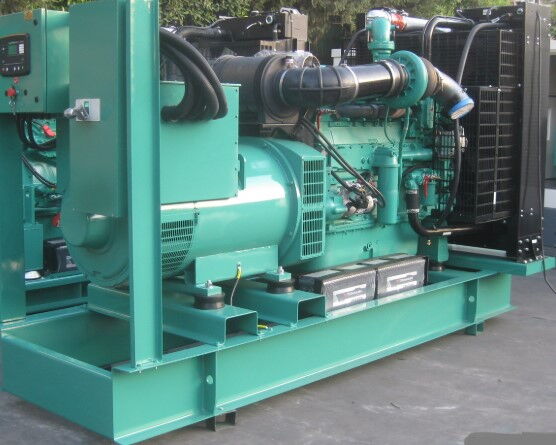
Operational errors are one of the most common causes of fuel–engine oil mixing. When a diesel generator is newly purchased, operators may be unfamiliar with the equipment structure and operating procedures, making the following mistakes more likely:
- Incorrect fueling: Operators may mistakenly add diesel fuel into the engine oil tank. This error causes diesel to mix directly with engine oil, severely degrading the oil’s performance. To avoid this, operators should carefully check the markings on the filling ports before refueling and become familiar with the equipment operation manual.
- Frequent start-stop and short-duration operation: If a diesel generator remains idling for long periods, or is frequently started without successful ignition, the fuel–air mixture may seep into the crankcase and mix with the engine oil. This happens because under such conditions, the engine cannot reach a stable operating temperature, preventing the fuel from evaporating out of the oil and causing it to gradually accumulate. To prevent this, operators should avoid prolonged idling and frequent start-stop cycles, ensuring the engine operates at a stable working temperature.
Mechanical failures are another major cause of fuel–engine oil mixing. The following are common mechanical faults and their characteristics:
- Fuel transfer pump failure: Deterioration or delamination of the fuel pump diaphragm is a common cause of diesel leaking into the oil pan and mixing with engine oil. The sealing performance of the fuel transfer pump is critical. Once the diaphragm is damaged, diesel can seep into the oil system through the lubrication passages. If the engine oil level rises abnormally and the oil smells strongly of diesel, the sealing condition of the fuel transfer pump should be inspected.
- Injector failure: Low injector opening pressure or poor fuel atomization can cause diesel to flow along the cylinder wall into the oil pan and mix with engine oil. Injector sealing is also crucial; if it is not tight, unburned diesel will leak along the cylinder wall into the crankcase. If the generator exhibits noticeable vibration, misfiring cylinders, and a strong diesel odor in the engine oil, the injector condition should be checked.
- Injection pump failure: Failure of the front oil seal of the injection pump can cause diesel to leak into the oil pan from behind the drive gear. Wear of the plunger assemblies and delivery valve assemblies, or aging and damage of seals inside the injection pump, can also allow diesel to seep into the engine oil through lubrication passages. If the engine shows insufficient power, black smoke from the exhaust, and a rapidly rising oil level, the sealing integrity and operating condition of the injection pump should be examined.
- Piston ring and cylinder wall wear: Worn piston rings, ring gap alignment, or excessive clearance between the cylinder liner and piston can allow unburned diesel to seep into the oil pan. Poor valve sealing may also lead to fuel leakage into the lubrication system. If the engine feels weak, crankcase blow-by is severe, and the engine oil turns dark with extremely low viscosity, the wear condition of the piston rings and cylinder walls should be inspected.
When fuel mixes with engine oil in a diesel generator, it not only destroys the normal properties of the oil, but also causes serious damage to engine components and may even create safety risks. The main hazards are as follows:
- Reduced oil viscosity: Once fuel mixes with engine oil, it dilutes the oil and causes a sharp drop in viscosity. With reduced viscosity, the oil cannot form an effective lubricating film on moving parts such as the crankshaft, camshaft, and piston rings. This leads to intensified dry friction, increasing wear rates by more than ten times.
- Weakened oil film strength: The lubricating performance of engine oil relies mainly on the oil film formed on metal surfaces. After fuel contamination, the strength of this oil film decreases, resulting in insufficient lubrication and further accelerating component wear.
- Insufficient power output: When fuel and engine oil mix, engine power decreases significantly. This is because the thermal conductivity of the contaminated oil deteriorates, causing engine temperature to rise rapidly and increasing the risk of failures such as piston ring seizure and valve deformation.
- Incomplete combustion: Contaminated oil leads to incomplete combustion, producing large amounts of carbon deposits that clog oil passages and injectors. At the same time, sulfur and other components in diesel fuel can corrode internal engine metal parts, further degrading engine performance.
- Fire risk: After fuel mixes with engine oil, the contaminated oil is more likely to form oil mist. If this oil mist leaks and comes into contact with high-temperature components, it may cause a fire, especially in high-temperature environments where the risk is significantly increased.
- Premature oil degradation: Engine oil consists of base oil and additives. When fuel mixes into the oil, it dilutes the additive concentration, impairing oil performance and causing premature oil degradation, which prevents the oil from effectively protecting the engine.
Once fuel–engine oil mixing is detected in a diesel generator, prompt action must be taken to prevent fault escalation and further engine damage. The following measures should be implemented:
- Immediate shutdown: If abnormal oil color or rising oil level is observed, immediately remove the load and shut down the generator set. Restarting or continued operation is strictly prohibited. Even in emergency power supply situations, priority should be given to switching to a standby generator to prevent further damage.
- Record fault information: Record the oil level, color, and odor, and take photos for reference to help maintenance personnel quickly identify the cause. Check the engine block, injection pump, and injectors for oil traces to preliminarily determine the leakage location.
- Contact a professional maintenance team: Promptly contact a qualified generator maintenance team, providing detailed information such as generator model, operating hours, recent usage conditions, fault symptoms, and site location, so the team can arrive quickly with the necessary tools and spare parts.
- Fuel transfer pump inspection: Remove the fuel transfer pump and apply a pressure of 3 kg/cm² to the inlet and outlet pipes on a pump test bench. If no diesel leakage is observed, the pump is intact. If leakage is found, the fuel transfer pump must be replaced.
- Injector inspection: Remove the injectors and test them on a high-pressure pump test bench. If the injector opening pressure meets requirements and atomization is good, the injectors are serviceable. Otherwise, repair or replacement is required.
- Injection pump inspection: Remove the injection pump and test it on a high-pressure pump test stand. Check whether the oil seal at the front gear shaft is deformed and whether there is significant diesel leakage. If seal deformation or leakage is found, the injection pump should be replaced.
- Piston ring and cylinder wall inspection: Inspect the piston rings for wear or misalignment, and check whether the clearance between the cylinder liner and piston is excessive. If problems are found, replace the piston rings or repair the cylinder walls as necessary.
- Correct operation: Operators should be familiar with the structure and operating procedures of diesel generators to avoid adding diesel fuel into the engine oil tank. Avoid prolonged idling and frequent start-stop cycles, ensuring the engine operates at a stable temperature.
- Regular maintenance: Regularly inspect the sealing condition and wear of components such as the fuel transfer pump, injectors, injection pump, piston rings, and cylinder walls. Replace aged or damaged seals in a timely manner to ensure normal operation.
- Use high-quality fuel: Use high-quality diesel fuel as specified, and strictly avoid inferior fuel to reduce wear on the injection pump, injectors, and related components.
- Professional inspections: Conduct regular professional inspections, including oil analysis and injection pump condition checks, to identify potential leakage issues in advance. Avoid long-term overload operation and ensure stable generator performance.
Fuel mixing with engine oil in diesel generators is a serious fault that leads to reduced lubrication performance, decreased engine efficiency, and increased safety risks. To prevent such failures, users should follow proper operating procedures, avoid operational errors, and perform regular maintenance and inspections to detect and address potential problems early. If fuel–engine oil mixing is discovered, the generator should be shut down immediately and a professional maintenance team contacted to prevent fault escalation and greater losses. Through correct operation and regular maintenance, the risk of fuel–engine oil mixing can be effectively reduced, ensuring reliable operation and extending the service life of diesel generators. It is hoped that this article will help users better manage and maintain their diesel generators, avoiding unnecessary failures and losses.
