
Gasoline generators, as commonly used backup and mobile power sources, have output voltage stability that directly affects the safe operation of electrical equipment. Voltage instability can not only cause abnormal operation of electrical devices but, in severe cases, may also result in equipment damage. Understanding the causes of voltage instability and mastering systematic troubleshooting methods is the foundation for ensuring reliable gasoline generator operation.
The causes of voltage instability in gasoline generators are complex, involving multiple key aspects such as the power system, excitation system, governor system, electrical circuits, and load adaptation. Clearly identifying these core causes is the prerequisite for quickly locating faults and restoring stable power supply.
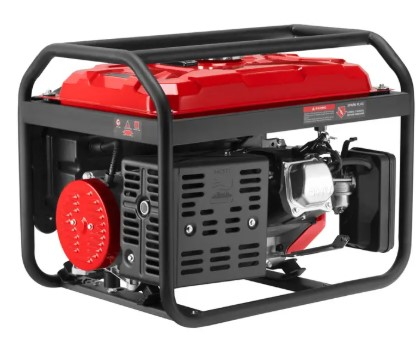
The voltage output of the gasoline generator is directly related to the engine's power supply. Abnormalities in the fuel supply system can lead to uneven fuel delivery, causing the engine's combustion power to fluctuate, which in turn triggers power output fluctuations. At the same time, blockages in the air intake system affect the air-fuel mixture ratio, resulting in incomplete combustion and further exacerbating power output instability. These continuous fluctuations in the power source are directly transmitted to the generation stage, causing output voltage to rise and fall according to the engine's operating conditions.
The excitation system is the key guarantee for generating stable voltage in the gasoline generator. Issues such as insulation damage in the excitation windings or poor electrical contact can affect the stable output of excitation current. Faults in the excitation regulator may prevent the excitation strength from automatically adjusting according to load changes. When load fluctuations occur, the system cannot compensate the magnetic field strength in time, leading to output voltage instability. Additionally, moisture or dust accumulation in the excitation circuit can interfere with normal system operation.
The governor system is the core component for maintaining stable engine speed. Problems such as abnormal sensitivity of the governor, sticking or worn adjustment mechanisms can prevent the engine from maintaining speed within the set range, causing speed fluctuations. When the load changes, a faulty governor cannot make accurate speed adjustments in time. Since generator output voltage is directly related to engine speed, unstable engine speed inevitably leads to voltage fluctuations.
The connection status of electrical circuits is closely related to voltage stability. Loose or oxidized connections increase contact resistance, resulting in unstable current transmission and causing voltage drops or fluctuations. Aging or damaged insulation can cause leakage or localized short circuits, disrupting the impedance balance of the power supply circuit. Additionally, electromagnetic interference caused by improper circuit layout can also affect voltage stability.
Excessive generator load or frequent start-up of high-power electrical devices on the load can cause severe voltage fluctuations. Unstable loads force the generator to adjust its output frequently, exceeding the response capability of the regulation system, and preventing voltage from remaining within a stable range.
For issues related to voltage instability in gasoline generators, troubleshooting should follow a systematic process. The following are specific manifestations and solutions for various common faults.
- Loose wiring connections: This is one of the most common faults. Inspect all connection points of the gasoline generator, ensure all terminals are firmly secured, and, if necessary, re-crimp or replace the terminals.
- Loose output screws: Can cause unstable current transmission. Regularly check the tightness of output terminal screws and use appropriate tools to tighten them to the specified torque.
- Loose generator belts: Can lead to reduced transmission efficiency and speed fluctuations. Adjust belt tension promptly to ensure operation within a reasonable range; replace aged belts if necessary.
- Excessive vibration: Can affect overall generator stability. Check whether vibration dampers are damaged or aged and whether the unit is installed in balance. Replace dampers or adjust the unit's balance if necessary.
- Control panel and switch failure: Can affect operation and voltage regulation. If the voltage-current selection switch has poor contact or is damaged, replace it with a switch of the same specification to ensure normal operation.
- Voltage adjustment resistor failure: Can prevent manual voltage regulation. Check whether the voltage potentiometer maintains good contact and whether there are interruptions during adjustment. Replace the voltage adjustment resistor if necessary.
- Voltmeter faults: Can lead to misjudgment. If the display is suspected to be inaccurate, compare it with a standard voltmeter and replace it promptly if faulty to ensure accurate readings.
- Defective voltage regulator: A major cause of voltage instability. Carefully inspect the AVR (automatic voltage regulator) for damage or improper adjustment and adjust or replace it according to the inspection results.
- Unstable engine speed: Is the direct cause of voltage fluctuations. Inspect the fuel system, including checking for clear fuel lines, unblocked fuel filters, and normal operation of injectors. Adjust or replace fuel system components to ensure stable engine speed.
- Clogged air filter: Leads to insufficient intake, reducing engine output power and causing speed instability. Regularly clean or replace air filters to ensure smooth engine intake and prevent voltage problems caused by insufficient air supply.
- Governor faults: Require in-depth inspection. Check for deformation of the main and auxiliary springs, wear or looseness in the flyweight roller pin holes and frame, proper meshing of the oil pump gear and rack, consistency of flyweight expansion and contraction distances, looseness between governor housing and oil pump rear cover, and excessive camshaft play. Replace worn parts promptly and adjust incorrect clearances.
Poor contact between carbon brushes and stator: Leads to unstable excitation voltage and affects AC output. Regularly clean contact points on the generator stator and carbon brushes, remove carbon deposits and oxidation, and ensure good contact.
Damaged excitation circuit components: Includes failure of rectifier diodes, thyristors, and adjustable potentiometers. Inspect excitation windings and power components, and replace any damaged parts promptly.
Insulation damage in excitation windings: Causes unstable excitation current. Use a 500V megohmmeter to test insulation resistance to ground, check grounding, and repair damaged insulation promptly.
When encountering voltage instability, the following process is recommended:
- Observe the voltmeter: Confirm the range and pattern of voltage fluctuations. Check the load to identify frequent start-up of high-power devices or overload conditions.
- Check engine operation: Listen for speed fluctuations and observe exhaust color to assess combustion status. Inspect fuel system lines and air filter condition.
- Check electrical connections: Inspect wiring from output terminals to the control panel, checking tightness and contact. Use tools to measure contact resistance and ensure no abnormal heating.
- Inspect excitation system and AVR: Check carbon brush wear and contact pressure, clean the slip ring surface, and inspect AVR circuit components for burn marks or malfunction. Test regulation function to confirm proper operation.
- For complex excitation faults: Shut down the generator and inspect the rotating rectifier, excitation windings insulation, and AVR circuit board. Use professional instruments to measure voltage and waveform at multiple points, locate faults accurately, and repair or replace components.
Preventing voltage instability relies on regular maintenance. Establish dedicated personnel and scheduled maintenance to ensure the following:
- Regular engine maintenance: Replace oil and filters on schedule, clean air filters, inspect fuel system sealing, and maintain the engine in optimal operating condition.
- Regular electrical system inspection: After a set period of operation, check terminal tightness, clean brushes and slip rings, inspect wiring insulation, and replace aging circuits promptly.
- Regular calibration of regulation systems: Test governor response characteristics, verify AVR regulation range and stability, and ensure proper operation of automatic adjustment functions.
- Reasonable generator usage: Avoid prolonged overload operation. High-power devices should start in staggered intervals, maintain load stability, and leave sufficient power reserve for the generator.
When abnormal voltage instability occurs, do not attempt to start or operate the generator with faults. Contact professional maintenance personnel promptly to avoid further damage or loss.
Voltage instability in gasoline generators is the result of multiple factors acting together, involving mechanical, electrical, and control systems. By systematically troubleshooting the power source, excitation system, governor mechanism, electrical connections, and load conditions, most voltage instability issues can be effectively resolved. Establishing scientific maintenance protocols and regularly inspecting key components are fundamental measures for ensuring long-term stable operation. Only by ensuring the normal operation of all systems can gasoline generators continuously provide stable power output and safeguard electricity usage.
