
As a critical power supply and emergency backup device in industrial production, a diesel generator set's stable operation directly affects production safety and economic performance. Among various operating parameters, coolant temperature is one of the most important indicators reflecting the health status of the generator set. When coolant temperature exceeds the normal range, it not only reduces operational efficiency but may also lead to serious mechanical failures or even engine damage. This article analyzes the causes of diesel generator coolant overheating and provides systematic solutions to help users effectively prevent and respond to this issue.
The primary function of diesel engine coolant is to remove heat generated during engine operation and maintain the engine within an appropriate thermal condition. Under normal circumstances, the coolant operating temperature of a diesel generator set should be maintained between 80°C and 110°C. This range is precisely designed to ensure that engine components operate in optimal working conditions.
If the coolant temperature is excessively high, the engine cannot operate under normal thermal conditions. Thermal expansion of moving parts may destroy designed clearances, while engine oil may deteriorate due to high temperature, leading to lubrication failure, component seizure, or accelerated wear. Conversely, if the temperature is too low, excessive heat loss from combustion will increase fuel consumption, raise oil viscosity, increase mechanical resistance, and reduce engine output.
Modern diesel generator sets are usually equipped with advanced temperature monitoring systems. Coolant temperature gauges are generally divided into metal resistance thermometers and semiconductor resistance thermometers, both of which operate based on the principle that electrical resistance changes with temperature. Metal thermometers typically use pure metals or alloys such as platinum, copper, or nickel, while semiconductor thermometers mainly use materials such as carbon or germanium. These devices are reliable and easy to operate, with a detection range from approximately -260°C to 600°C.
During normal engine operation, the coolant temperature should be maintained around 80°C–100°C. When the temperature reaches 97°C, the radiator fan begins low-speed operation, and stops when the temperature drops to 94°C. When the temperature exceeds 105°C, the fan switches to high-speed operation, and stops when the temperature falls below 101°C. The thermostat partially opens at 89°C and fully opens at 101°C. If the coolant temperature reaches or exceeds 112°C, the warning indicator will be activated, and the generator must be shut down immediately for inspection to avoid severe engine damage.
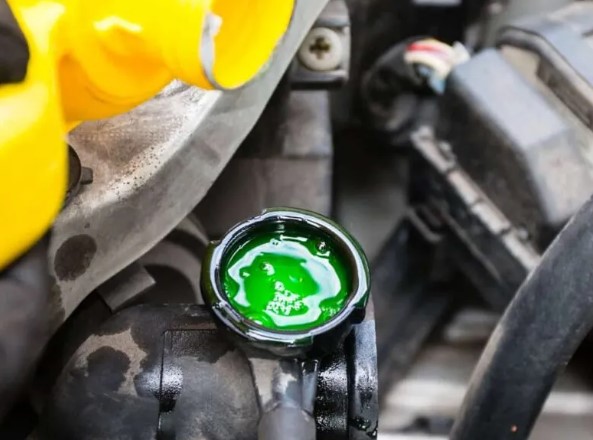
- Insufficient coolant or leakage: Coolant shortage is the most direct cause of overheating. During long-term operation, coolant may decrease due to evaporation or leakage. If not replenished in time, the heat dissipation capacity of the cooling system will significantly decline. Leakage may occur at multiple locations, including hose joints, radiator, water pump seals, or cylinder gaskets. Users should regularly check the coolant level and ensure it remains between the high and low marks of the expansion tank. It is important not to completely fill the expansion tank to allow room for thermal expansion.
- Radiator fin blockage: Radiator fin blockage can seriously impair heat dissipation efficiency. Blockages are commonly caused by accumulated dust, oil stains, cotton fibers, insects, and scale deposits from coolant circulation. Generator sets operating in harsh environments such as construction sites, textile plants, or farmland are especially prone to radiator clogging. Blocked fins restrict airflow and prevent effective heat release, resulting in rising coolant temperature.
- Poor ventilation in the engine room: Even if radiator fins are clean, poor ventilation design in the engine room can still cause overheating. Common problems include insufficient intake or exhaust area, blocked exhaust outlets, or unreasonable airflow paths inside the engine room. Installation requirements must ensure sufficient ventilation area to allow smooth airflow and dissipate heat released by the radiator.
- Cooling fan malfunction: The cooling fan is a key component of forced heat dissipation. Fan malfunction may be caused by several factors, such as loose or slipping fan belts leading to insufficient rotational speed, damaged or deformed fan blades reducing airflow volume, clutch failure (if equipped), or electric motor failure in electrically driven fans. Belt looseness is the most common issue and should be checked regularly.
- Water pump failure: The water pump provides power for coolant circulation. Water pump problems can result in poor circulation and prevent timely heat removal. Common failures include impeller corrosion or damage, bearing wear causing rotational resistance, seal aging leading to leakage, and pulley looseness. Once abnormal water pump operation is detected, repair or replacement should be carried out promptly.
- Thermostat failure: The thermostat is a key component that regulates coolant flow paths. When coolant temperature is low, the thermostat remains closed, allowing small-cycle circulation for rapid engine warm-up. When the temperature reaches the preset threshold, the thermostat opens to enable large-cycle circulation through the radiator for heat dissipation. If the thermostat is stuck in the closed position, coolant will remain in small-cycle circulation and fail to dissipate heat, leading to rapid temperature rise.
- Fuel injection system malfunction: Faults in the injection pump or incorrect fuel timing can affect combustion efficiency and cause engine overheating. Excessive fuel delivery, overly high injection pressure, or premature injection timing can generate excessive combustion heat beyond the cooling system's dissipation capacity. Such issues require professional technicians and diagnostic equipment for adjustment.
- High ambient temperature: During summer or high-temperature seasons, especially when engine room ventilation is poor, ambient temperatures may exceed 40°C, significantly affecting cooling performance. High intake air temperature reduces air density, affecting intake volume and combustion efficiency while increasing thermal load on the cooling system.
- Overload operation: Long-term overload operation significantly increases engine heat generation beyond the designed cooling capacity. In high-temperature environments, overload operation is more likely to cause coolant temperature exceedance. Users should strictly control load, and continuous operation load should generally not exceed 80% of rated power.
- Sensor or instrument malfunction: Sometimes high-temperature alarms are caused not by actual overheating but by faulty coolant temperature sensors, warning switches, or display instruments. Damaged sensors, poor wiring contact, or instrument calibration errors may produce incorrect readings. In such cases, the control panel, instrumentation, and engine-mounted sensors should be inspected.
- Risk of mechanical damage: When coolant temperature exceeds 100°C, thermal expansion inside the engine may alter component clearances. The reduced gap between piston and cylinder wall may cause cylinder scuffing, while thinner oil films between bearings and journals can accelerate wear or cause bearing burn damage. Diesel engines are particularly vulnerable to cylinder damage when water temperature reaches 100°C, so operation should be stopped or load reduced when coolant temperature exceeds 95°C.
- Oil performance deterioration: High temperature accelerates oil oxidation and viscosity reduction, leading to lubrication failure. Deteriorated oil cannot form a stable protective film, resulting in direct metal-to-metal contact and accelerated wear. In addition, oil additives may decompose under high temperature, weakening anti-oxidation, cleaning, and dispersion properties.
- Seal damage: Rubber sealing components age faster, harden, and crack under high temperatures, which may lead to coolant or oil leakage and even more severe failures. Cylinder head gaskets are especially susceptible to thermal damage, potentially allowing coolant to enter the combustion chamber or oil system, triggering cascading failures.
- Power reduction and economic deterioration: To prevent overheating, the engine control unit may automatically limit power output, resulting in reduced load capacity. Meanwhile, high temperature lowers intake air density, reduces combustion efficiency, and increases fuel consumption, significantly worsening operational economy.
- Shortened service life: Prolonged operation under high temperature accelerates component wear and aging, greatly shortening maintenance cycles and overall service life while increasing repair costs and downtime losses.
After understanding the causes and hazards of coolant overheating, the key is establishing a comprehensive prevention and control system. Relying solely on emergency repairs after failure is often too late; only by combining preventive maintenance with routine management can overheating problems be fundamentally avoided.
- Coolant level inspection: Check the expansion tank level daily to ensure it remains within the normal range. If the level drops too quickly, carefully inspect for possible leakage points. When replenishing coolant, use the same type and specification as the original product to avoid mixing different brands or models.
- Coolant quality inspection: Regularly check coolant freezing point, boiling point, pH value, and anti-corrosion performance. It is generally recommended to replace coolant every two years or after 4000 operating hours. Poor-quality coolant may produce scale and corrosion, seriously affecting heat dissipation.
- Visual inspection: Weekly inspections should include checking radiator surfaces for cleanliness, observing for debris blockage, checking hoses and joints for leakage, and examining fan belt tension and pump noise.
- Radiator cleaning: Use compressed air or a water gun (with moderate pressure) to clean radiator surfaces regularly to remove dust, oil, cotton fibers, and other debris. For stubborn scale deposits, specialized radiator cleaning agents can be used. Cleaning should be performed from the air outlet side toward the air inlet side to avoid forcing debris deeper into the fins.
- Internal cooling system cleaning: Every two years, or as needed, use cooling system cleaning agents to remove scale and rust deposits inside the engine water jacket and radiator, restoring system heat dissipation performance.
- Engine room environment maintenance: Keep the engine room clean and regularly remove dust from floors and equipment surfaces. Ensure that air intake filters are clean and ventilation ducts remain unobstructed. In dusty environments, additional intake filtration devices or shorter cleaning cycles may be considered.
- Fan belt: Regularly check belt tension. When pressing the middle of the belt with a thumb, the deflection should be approximately 10–15 mm. Worn, aged, or cracked belts should be replaced promptly. When replacing, ensure belt model and specification match the original equipment.
- Water pump: Inspect water pump operation every 2000 operating hours, checking for abnormal noise, leakage, or bearing looseness. Early signs of failure should be repaired or replaced to prevent failure expansion.
- Thermostat: Check thermostat opening temperature every two years or after 4000 operating hours. The thermostat can be placed in water and heated to observe whether the opening temperature matches standards (initial opening temperature is typically 80–85°C and full opening occurs at 95–100°C). Replace components if performance is unsatisfactory.
- Temperature sensors and instruments: Regularly calibrate temperature monitoring systems to ensure accurate readings. When abnormal display values are observed, sensors and wiring should be inspected.
- Load control: Operate the generator strictly within rated power limits and avoid prolonged overload operation. Normal operating load is recommended not to exceed 80% of rated capacity.
- Temperature monitoring: Closely monitor coolant temperature during operation, especially during high-temperature seasons or heavy load operation. When temperature approaches alarm thresholds, take measures to reduce load or improve ventilation.
- Preheating and thermal insulation: During winter operation, load the generator only after coolant temperature reaches approximately 80°C. After cold starts, allow idle operation until temperature rises before gradually increasing load.
- Shutdown procedure: After prolonged operation in high-temperature environments, do not shut down the engine immediately. Allow several minutes of idle operation to reduce thermal accumulation before shutdown.
- Ventilation design: The engine room should have sufficient intake and exhaust areas. Generally, the intake area should be at least 1.5 times the radiator windward area, and the exhaust area should be at least 1.2 times the radiator windward area. Exhaust outlets should avoid heat sources and obstructions.
- Thermal insulation: Roof and walls should adopt thermal insulation measures to reduce solar radiation heat transfer. Industrial exhaust fans or air-conditioning systems may be installed if necessary to force temperature reduction.
- Equipment layout: Maintain adequate spacing between generator sets to prevent hot air recirculation. When multiple units are operating, arrange operation modes properly to avoid mutual thermal interference.
- Fuel quality: Use clean diesel fuel that meets quality standards and avoid high-sulfur or contaminated fuel. Poor-quality fuel may cause incomplete combustion, increased carbon deposits, and aggravated overheating. Replace fuel-water separators and fuel filters regularly.
- Oil selection and replacement: Select appropriate oil viscosity grade according to ambient temperature. In high-temperature environments, slightly higher viscosity oil should be used. Follow maintenance schedules strictly for oil and oil filter replacement, keeping oil clean and maintaining good lubrication performance. Oil level should remain between the dipstick marks, as excessive or insufficient oil will affect heat dissipation.
Coolant overheating in diesel generator sets is a comprehensive problem involving multiple systems. Effective prevention requires attention to coolant management, cooling system maintenance, operational control, and engine room environment regulation. Establishing a sound maintenance program and strengthening operational monitoring can effectively avoid the hazards caused by high temperatures, ensuring safe, stable, and efficient generator operation while extending equipment service life and reducing operating costs. Users should recognize the importance of cooling system maintenance and implement preventive maintenance rather than waiting for failures to occur. Only in this way can the performance advantages of diesel generator sets be fully realized and reliable power support be provided for production and daily life.
