
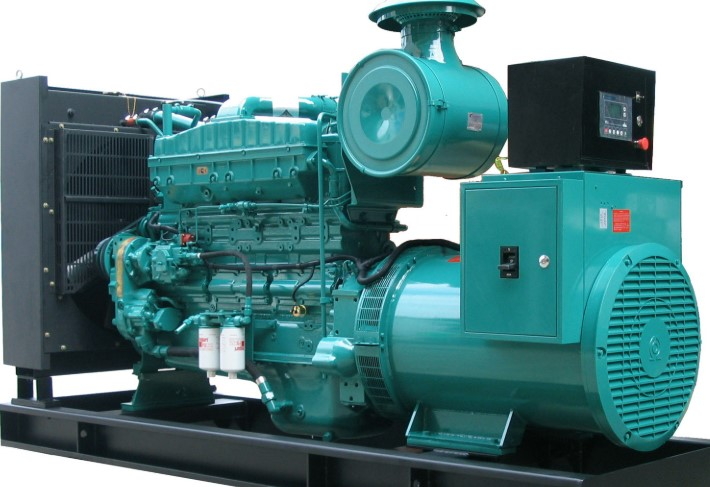
Diesel generator sets play an irreplaceable role as backup power sources in industrial production, commercial buildings, medical facilities, communication base stations, and many other fields. However, due to project schedule adjustments, seasonal changes in electricity demand, or other special circumstances, diesel generators often need to be stored for extended periods. Improper storage can lead to performance degradation, component corrosion, starting difficulties, and in severe cases, permanent equipment damage. This article systematically introduces scientific methods for long-term storage, key maintenance practices, and standardized recommissioning procedures to help users protect their equipment assets and ensure generators remain ready for operation at all times.
Once a generator set is confirmed to enter long-term storage, it should never be shut down and left unattended. Proper pre-storage preparation is the critical first step in preserving performance during idle periods and ensuring rapid recovery when the unit is needed again. This stage involves comprehensive treatment of the fuel, lubrication, electrical, and mechanical systems, along with detailed documentation. Only by executing these foundational tasks thoroughly can a solid basis be established for subsequent storage management and smooth recommissioning.
Fuel is the lifeblood of a diesel generator, but diesel is prone to oxidation and deterioration during storage, typically having a shelf life of about six months. Degraded diesel produces gums and sediments that can clog injectors and fuel lines, severely affecting engine performance.
Before long-term storage, users should choose one of the following methods:
This approach is suitable when storage will exceed one year. After draining, thoroughly clean the tank with a specialized cleaning agent to remove residual sludge and gum, preventing them from drying and blocking precision components.
If the expected storage period is between six months and one year, adding a dedicated stabilizer can effectively slow oxidation. Follow the manufacturer’s recommended mixing ratio strictly and fill the tank to about 95% capacity to minimize air exposure.
Regardless of the method, run the generator for 10–15 minutes before storage to circulate the treated fuel throughout the system.
Engine oil not only lubricates internal components but also performs cleaning, cooling, sealing, and anti-corrosion functions. Replace both the engine oil and oil filter before storage, as used oil contains acidic byproducts and metal particles that can corrode precision parts when left stagnant.
After replacing the oil, operate the generator without load for 10–15 minutes to ensure full circulation and formation of a protective oil film. Shut down the engine while it is still warm so that a thicker film remains on component surfaces for better rust protection.
For units expected to remain stored for more than two years, inject 20–30 ml of specialized anti-rust oil into each cylinder through the air intake, then manually rotate the crankshaft 3–5 turns to distribute the oil evenly and prevent piston rings from sticking to the cylinder liners.
The battery is essential for starting the generator but will self-discharge even when unused. Disconnect the negative terminal during storage to cut off the discharge circuit. Store the battery in a dry, cool, and well-ventilated environment with an ideal temperature between 5°C and 30°C, avoiding direct sunlight and heat sources.
Check battery voltage and electrolyte specific gravity every 2–3 months. For a 12V battery, voltage should not drop below 12.6V; for a 24V battery bank, it should remain above 25.2V. Recharge promptly if voltage is insufficient to prevent plate sulfation. Also monitor electrolyte levels and add distilled water as needed.
Exposed metal parts such as pistons, cylinders, and valve stems are highly susceptible to rust in humid environments. Apply spray-type anti-rust oil or grease evenly before storage. Inspect rubber components like belts, hoses, and seals for aging or cracks and replace them if necessary, as prolonged inactivity accelerates rubber hardening.
Seal all openings, including air intakes, exhaust outlets, and fuel tank ports, with breathable yet dustproof and waterproof caps to prevent insects, dust, and moisture from entering. Ensure the exhaust pipe is angled downward so condensed water can drain rather than flow back into the cylinders.
After preparing the generator itself, choosing an appropriate storage environment and implementing scientific management are equally important. Even the best protective measures cannot withstand long-term exposure to harsh conditions, while a well-controlled environment significantly extends service life and reduces maintenance costs.
- Ventilation: The storage area must have good natural or mechanical ventilation to prevent the accumulation of fuel vapors. Avoid exposing the generator directly to rain, snow, or strong winds. Outdoor storage requires a protective canopy.
- Temperature and Humidity Control: Maintain ambient temperatures between 5°C and 30°C. Low temperatures increase oil viscosity and may freeze battery electrolyte, while excessive heat accelerates rubber aging and insulation brittleness. Relative humidity should remain below 60%, as moisture is a primary cause of corrosion and electrical faults.
- Cleanliness: Keep the storage area away from chemical warehouses, electroplating workshops, coastal zones, and other corrosive environments. Acidic gases and salt spray can severely damage windings and metal components. Maintain a clean floor and remove dust regularly.
- Safety Protection: Equip the area with fire extinguishers, prohibit smoking, and install clear safety signage. Place the generator securely to prevent tipping and restrict access by children. Outdoor storage should also include anti-theft measures.
Regular inspections remain essential even after thorough preparation. Establish a storage equipment file to record maintenance activities:
- Conduct monthly visual inspections for damaged covers, corrosion spots, or fluid leaks.
- Measure battery voltage quarterly and recharge when necessary.
- Rotate the crankshaft manually every six months to prevent seizure and maintain lubrication.
If humidity exceeds acceptable levels, use dehumidifiers or desiccants and increase ventilation. In coastal or chemical environments, shorten inspection intervals and reinforce anti-corrosion measures.
After a prolonged storage period, never rush to start the generator. Static conditions may alter system states, and careless startup can cause serious damage. A comprehensive inspection is essential.
Remove the dust cover and wipe the unit with a dry, soft cloth. Clear debris from radiator fins to ensure proper heat dissipation. Check air inlets, exhaust ports, fuel connections, and electrical interfaces for nests, corrosion, looseness, or deteriorated seals.
Confirm the installation foundation is stable, grounding is reliable, and grounding resistance does not exceed 50 ohms. Ensure the ventilation system functions properly and clear a 1.5-meter radius around the generator for operation and cooling.
Replace engine oil completely, as it may have degraded. Warm the engine first to improve oil flow, then drain it fully and replace the oil filter. Apply fresh oil to the filter gasket and tighten to the specified torque.
Inspect the cooling system for blockages or leaks and verify coolant levels. For water-cooled systems, check water quality and replace it if necessary.
Fuel system handling depends on prior storage actions:
If drained: Clean the tank thoroughly, refill with fresh diesel, and allow it to settle for at least 24 hours.
If stabilized: Check for cloudiness, stratification, or unusual odors; replace fuel if deterioration is evident.
Open fuel valves and use the manual pump until air is fully purged from the lines.
Reconnect the battery by attaching the positive terminal first and the negative last to prevent sparks. Clean any white or green corrosion from terminals with fine sandpaper and apply petroleum jelly for protection.
Measure battery voltage and fully charge if below standard values. Inspect wiring for the starting circuit, charging circuit, and monitoring system to ensure secure connections and intact insulation. Test gauges, indicator lights, and alarms on the control panel. Disconnect all external loads so the generator starts under no-load conditions.
After completing system checks, proceed to the critical startup and load-testing stage. This process verifies maintenance effectiveness and identifies potential risks.
Manually rotate the crankshaft 3–5 turns to confirm normal resistance. If binding is detected, do not force startup—inspect for cylinder rust or solidified oil. Verify oil levels are within the dipstick markings.
Check belt tension; pressing the midpoint should produce a deflection of 10–15 mm. Replace belts showing cracks or delamination. Inspect pipelines and seals for leakage.
Turn on the fuel switch and set the controller to the start position. The starter motor should not run continuously for more than 10 seconds. If the engine fails to start, wait at least 30 seconds before retrying.
Observe exhaust color closely:
- Light gray: Normal
- Black smoke: Incomplete combustion—possibly clogged injectors or restricted intake
- Blue smoke: Oil entering the combustion chamber—potential cylinder wear or valve seal aging
Stop immediately if abnormalities appear.
Operate without load for 10–15 minutes while monitoring:
- Oil pressure: 2.5–5 bar
- Coolant temperature: rising gradually to normal
- Voltage and frequency: stable at rated values (e.g., 380V/50Hz) within ±2%
Listen for smooth engine operation without knocking or friction noises.
Once no-load performance is stable, apply load gradually at 25%, 50%, 75%, and 100% of rated power, running each stage for 5–10 minutes. Monitor voltage stability, vibration, leakage, and exhaust condition.
After 30 minutes at full load, retighten components prone to loosening, such as cylinder head bolts, exhaust flanges, and fuel fittings, while the engine remains warm. Check oil consumption and coolant levels for abnormalities.
Record all operating parameters as baseline data and replenish fluids as needed.
- Generator Room Location and Layout: The installation site should be spacious and well-lit, with a ceiling height of at least 3.5 meters. Maintain a minimum clearance of 1.5 meters from walls, 1 meter from the ceiling, and 1 meter for side access. Air inlet area should exceed 1.5 times the radiator area. Provide lighting of no less than 50 lux for nighttime work. Outdoor units must have rain shelters extending at least 0.5 meters above the exhaust pipe while allowing adequate ventilation.
- Foundation and Vibration Isolation: Install the generator on a solid, level concrete foundation at least 200 mm thick, capable of supporting 1.5 times the unit’s weight. The foundation should not be structurally integrated with the building to prevent vibration transmission. Levelness deviation should not exceed 0.1%.If not permanently fixed, place 10–15 mm rubber vibration pads beneath the skid. Mobile installations must still ensure stability to prevent movement during operation.
- Pipeline Connection Standards: Open cooling systems require dedicated piping with adequate, clean water supply and inlet filtration. Keep exhaust piping as short and straight as possible, preferably under 10 meters, using large-radius bends if direction changes are unavoidable. Slope the exhaust pipe downward by 3–5 degrees and install a drain valve at the lowest point to remove condensate. Position the outlet away from air inlets and personnel areas; install a muffler if necessary.
- Electrical Safety Requirements: The generator and switchboard must be independently grounded, with grounding conductors no smaller than the generator output cables. Ground electrodes made of galvanized angle steel or pipes should be driven at least 2.5 meters into the earth, maintaining grounding resistance below 50 ohms. Never use gas pipes, heating pipes, or lightning rods as grounding electrodes. Connect batteries strictly according to the wiring diagram, ensuring correct polarity. Use adequately sized cables between the charging alternator and battery to prevent overheating and fire hazards.
Long-term storage and scientific maintenance of diesel generator sets constitute a systematic project involving fuel treatment, lubrication protection, electrical upkeep, environmental control, and standardized startup procedures. Neglecting any detail can result in performance loss or equipment damage. Users should develop storage and maintenance plans tailored to their operational needs while adhering to manufacturer guidelines.
Preventive maintenance is always more economical than post-failure repair. Regular, modest investments in upkeep can prevent costly repairs and power outage losses. Establishing an equipment management file, documenting maintenance dates, tasks, and findings, not only helps track equipment condition but also provides a complete service history for resale.
With scientific storage management and standardized recommissioning procedures, diesel generator sets can maintain excellent operating condition for more than a decade, delivering reliable power whenever needed and truly maximizing asset value.
