
Diesel generator sets, as important backup power equipment, are widely used in factories, hospitals, data centers, construction sites, and other locations. Proper operation can extend the service life of the equipment and reduce failure rates, while incorrect operation may lead to serious equipment damage or even safety accidents. This article will introduce the common incorrect operations during the use of diesel generator sets and provide corresponding correct operating methods to help users better maintain and operate the equipment.
Many operators are accustomed to directly shutting down the diesel generator set when it needs to be stopped, allowing the equipment to cease operation immediately. This practice is actually very wrong. After the diesel generator set is turned off, the water circulation in the cooling system stops immediately, and the heat dissipation capacity drops sharply. At this time, key components such as the cylinder head, cylinder liner, and cylinder block are still in a high-temperature state. Without cooling water, these components may develop cracks due to overheating, or the piston may expand excessively and eventually seize within the cylinder liner.
On the other hand, if there is no idle cooling process before shutdown, the friction surfaces inside the engine will be in poor condition due to insufficient oil content. When the diesel generator set is started again, inadequate lubrication conditions will intensify the wear of various components. Over time, this will greatly shorten the service life of the equipment.
Correct Operating Method: Before shutting down, all loads should first be removed so that the diesel generator set gradually reduces its speed and maintains no-load operation for 3 to 5 minutes. This allows the engine temperature to decrease slowly, enables the cooling water to continue circulating and carry away heat, and ensures that the engine oil fully lubricates all friction surfaces, creating favorable conditions for the next startup.
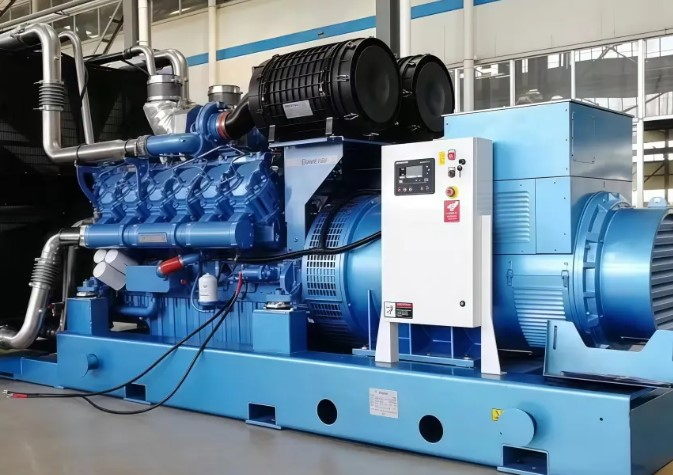
In low-temperature environments, the viscosity of engine oil in diesel generator sets increases and its fluidity deteriorates. If the generator is put under load immediately after a cold start, the oil pump cannot deliver sufficient engine oil to all friction surfaces in time, resulting in poor lubrication. Under such circumstances, key components such as pistons, crankshafts, and connecting rods will experience rapid wear, and in severe cases, major failures such as cylinder scoring and bearing burn may occur.
Correct Operating Method: After a cold start, the diesel generator set should first idle to warm up. Once the engine oil temperature reaches above 40°C and the oil flow returns to normal, the load should be increased gradually. During the initial stage, low gear should be engaged, and the generator should operate for a certain distance at each gear until both the oil temperature and water temperature reach the normal operating range before switching to normal operation. This process usually takes 10 to 15 minutes. Although it may seem time-consuming, it can effectively protect the engine.
In actual use, abnormal cooling water temperature is one of the most common causes of diesel generator set failures. Some users report that their equipment frequently boils over, parts wear quickly, winter startups are difficult, or carbon deposits become severe. These problems are largely related to improper cooling water temperature management. Specifically, improper temperature management mainly manifests in two aspects: excessively high cooling water temperature leading to equipment overheating, and excessively low cooling water temperature causing corrosive wear.
Insufficient cooling water or cooling system failures can lead to reduced heat dissipation, causing the diesel generator set to overheat. When the temperatures of the cooling water and engine oil are too high, the mechanical properties of major heat-bearing components such as the cylinder head, cylinder liner, piston assembly, and valves will decline sharply. Their strength and toughness decrease, leading to increased deformation, reduced fitting clearances, and accelerated wear. In severe cases, cracks may develop, and even component seizure may occur.
High temperatures also accelerate the aging and deterioration of engine oil, reducing its viscosity and worsening lubrication conditions for cylinders, pistons, and major friction pairs, resulting in abnormal wear. In addition, overheating deteriorates the combustion process, causing injectors to malfunction, atomization to become poor, and carbon deposits to increase, further affecting engine performance.
Correct Operating Method: Regularly check the cooling water volume to ensure the water level is within the normal range. Closely monitor the water temperature gauge during operation. Once excessive temperature is detected, immediately remove the load and slightly increase the speed so that the cooling water continues to circulate and dissipate heat. After the temperature drops, shut down the engine, then loosen the radiator cap to release steam, and slowly replenish cooling water if necessary. Never add cold water immediately when the engine is at high temperature, as drastic temperature changes may cause cracks in the cylinder head, cylinder liner, or cylinder block.
Some users believe that the lower the cooling water temperature, the better, but this is also incorrect. When the cooling water temperature is too low, the cylinder wall temperature decreases accordingly, and the water vapor produced during combustion condenses into droplets. After contacting exhaust gases, these droplets form acidic substances that adhere to the cylinder wall, causing corrosive wear.
Practice has proven that when diesel generator sets are frequently operated at cooling water temperatures of 40°C to 50°C, component wear is several times greater than when operating at the normal working temperature (85°C to 95°C). When the water temperature is too low, the temperature inside the cylinder is low, and the ignition delay period of diesel fuel is prolonged. Once ignition occurs, pressure rises rapidly, fuel combustion becomes rough, and mechanical damage to components is likely. Long-term operation at low temperatures increases the clearance between the piston and cylinder liner, making cylinder knocking more likely and generating vibration, which can cause cavitation in the cylinder liner.
When the engine oil temperature is too low, its viscosity is high and fluidity is poor, resulting in insufficient oil supply to lubrication points, degraded lubrication performance, increased wear of friction pairs, and a shortened service life of the diesel generator set.
Correct Operating Method: When using diesel generator sets in winter or cold regions, insulation covers or preheating devices should be used so that the cooling water temperature reaches the normal operating range as quickly as possible. During operation, the water temperature should be maintained between 85°C and 95°C—neither too high nor too low.
Engine oil is the blood of a diesel generator set and is vital to the normal operation of the engine. If engine oil is insufficient before startup or during operation, the oil supply to the surfaces of friction pairs will be inadequate, leading to abnormal wear or burn damage. In severe cases, cylinder scoring or bearing burn failures may occur.
Correct Operating Method: Check the engine oil level every day before startup to ensure it is between the upper and lower marks on the dipstick. Replace the engine oil and oil filter regularly, and use oil that meets the specified grade. If low oil pressure or abnormal oil consumption is detected during operation, stop the machine immediately for inspection and continue using it only after the fault has been eliminated.
Some users keep the diesel generator set idling for long periods so that the equipment is always on standby. In reality, during idling, lubrication oil pressure is low, and the oil injection cooling effect on the top of the piston is poor, causing wear to increase sharply and making cylinder scoring more likely. At the same time, poor atomization and incomplete combustion during idling lead to severe carbon deposits, sometimes even causing valves and piston rings to stick and cylinder liner cavitation.
Correct Operating Method: Operate strictly in accordance with the instruction manual. Generally, the idling time of a diesel generator set should not exceed 15 to 20 minutes. If long standby periods are required, the generator should be shut down normally and started again when needed. Although frequent short starts have a certain impact on the equipment, the harm is much smaller than that caused by long-term idling.
When a diesel generator set overheats due to insufficient water, some operators add a large amount of cold water to the radiator immediately in order to cool it quickly. This practice is extremely dangerous and can cause cracks in components such as the cylinder head, cylinder liner, and cylinder block due to drastic temperature changes, resulting in irreversible damage.
Correct Operating Method: When excessive temperature is detected in a diesel generator set, first remove the load and slightly increase the speed, using the fan and circulating water to continue dissipating heat. After the water temperature drops somewhat, shut down the engine, then carefully loosen the radiator cap to release steam. Wait for a period of time to allow the temperature to decrease further, and then slowly add cooling water to the radiator. The entire process requires patience—never rush.
The correct use and maintenance of diesel generator sets are directly related to equipment performance, service life, and operating costs. The analysis in this article shows that many common incorrect operations stem from insufficient understanding of equipment operating principles or a desire for convenience. To avoid these problems, users are advised to do the following:
First, operate strictly in accordance with the instruction manual rather than relying on experience. Different models and brands of diesel generator sets may have different requirements and cannot be treated uniformly.
Second, establish a regular maintenance system, including daily checks of engine oil and cooling water levels, weekly inspection of belt tension, and monthly cleaning of the air filter.
Third, maintain operating records, including startup time, operating hours, load conditions, water temperature, oil temperature, and other parameters, so that abnormalities can be detected in a timely manner.
Fourth, provide professional training for operators to ensure they master correct operating methods and basic fault diagnosis capabilities.
Fifth, prepare necessary spare parts such as engine oil, coolant, and filters to ensure timely replacement when needed.
By avoiding the above incorrect operations and adopting proper usage methods, the service life of diesel generator sets can be effectively extended, failure rates can be reduced, and reliable power supply can be ensured at critical moments. For important backup power equipment, preventive correct operation is more economical and effective than post-failure repairs.
