
In today's world, our dependence on electricity continues to grow. Whether it is lighting, refrigeration, food storage, or the operation of medical devices and communication tools, electricity is the foundation that keeps modern life running smoothly. However, extreme weather events are becoming more frequent, and power grid failures occur from time to time. Power outages are no longer rare.
A suitable home generator can provide essential living support during a power outage while ensuring the safety and comfort of your family. It can keep air conditioning systems running, maintain refrigeration for food, ensure proper lighting, and even power critical medical equipment. For households that rely on home dialysis machines, oxygen concentrators, or ventilators, a backup generator can literally be a life-saving device.
Once you decide that your home needs a backup power supply, the next question is what type of equipment should be used to achieve this goal. Although there are many brands and models of home generators on the market, they essentially fall into two main categories based on their installation and usage characteristics. Understanding the core differences between these two types is the first step toward making the right purchasing decision.
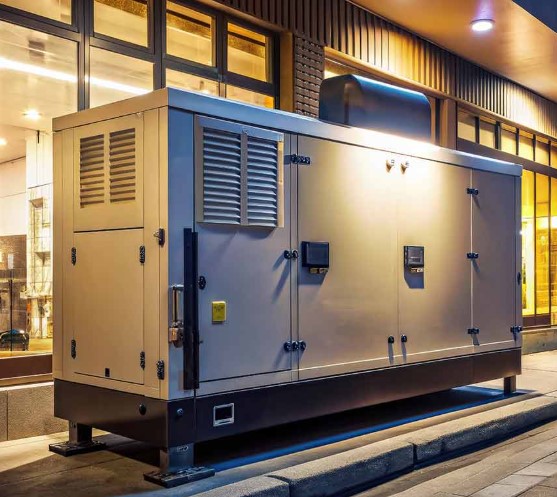
Standby generators are permanently installed systems designed to provide long-term backup power for homes. These generators are typically larger in size and installed outside the house, directly connected to the home's electrical system. Key Features including:
- Automatic startup: When a power outage is detected, the generator automatically starts within seconds without manual intervention.
- Fuel options: Most models run on natural gas or propane, while some support diesel fuel.
- Continuous power supply: As long as fuel is available, the generator can operate continuously for days or even weeks.
- High power output: Equipped with 2- to 8-cylinder engines capable of powering the entire home, including large appliances such as central air conditioning and refrigerators.
- Smart control system: Microprocessor-based controllers manage the startup process, perform scheduled self-tests, and conduct fault diagnostics.
- Remote monitoring: Many models allow users to check operating status remotely through mobile apps or internet connections.
Standby generators are especially suitable for homeowners who want a seamless power transition. When the grid power fails, you may not even notice the change because the standby generator automatically takes over the power supply.
Unlike standby generators, portable generators provide a flexible temporary power solution. These units do not require professional installation and can be moved to different locations as needed. Key Features are as follows:
- Ready to use: No complicated installation is required—simply add fuel and start the generator.
- Convenient fuel supply: Most portable generators use gasoline, which is widely available.
- High mobility: They can be easily moved and used not only for home outages but also for outdoor activities.
- Affordable price: The initial purchase cost is significantly lower than that of standby generators.
Within the portable generator category, inverter generators represent an important sub-type. Compared with traditional portable generators, inverter models offer several advantages:
- Smaller and lighter: Easier to carry and store
- Quieter operation: Significantly lower noise levels, making them more suitable for residential environments
- High-quality power output: Produces stable and clean electricity suitable for sensitive electronic devices
- Better fuel efficiency: Automatically adjusts engine speed based on load, reducing fuel consumption
Whether you need to power a refrigerator during an outage or charge equipment during a camping trip, portable generators can effectively meet temporary electricity needs.
- Fuel Gauge Visibility: A fuel gauge may seem like a simple feature, but it is extremely important. It allows you to monitor fuel levels in real time, helping you plan refueling in advance and avoid unexpected shutdowns due to empty fuel tanks. For generators that must run for extended periods, a clear fuel gauge helps ensure proper fuel management.
- Automatic Low-Oil Shutdown: Insufficient engine oil can cause serious mechanical damage. An automatic low-oil shutdown system protects the generator by turning off the engine when oil levels become too low. This feature is essential for extending the life of the generator, especially for standby generators that may operate unattended.
- Electric Start and Remote Start: Traditional recoil (pull-cord) starting methods can be inconvenient, particularly in cold weather or emergency situations. Electric start systems allow users to start the generator simply by pressing a button. More advanced models even support remote starting through smartphone applications, allowing you to activate the generator without physically approaching it—particularly useful during severe weather or at night.
- Carbon Monoxide Automatic Shutdown: Safety should never be overlooked when choosing a generator. Carbon monoxide poisoning is one of the most serious risks associated with generator use. Modern generators often include carbon monoxide detection systems that continuously monitor surrounding air levels. If dangerous concentrations are detected, the generator automatically shuts down to prevent potential poisoning. When using portable generators, they must always be placed outdoors at least 20 feet (about 6 meters) away from the home in a well-ventilated area to prevent exhaust gases from entering the house.
- Multiple Power Outlets: Modern households often need to power multiple devices simultaneously. Generators equipped with multiple outlets allow you to connect refrigerators, lighting systems, home office equipment, and phone chargers at the same time, ensuring essential living and working needs are met during an outage.
After understanding generator types and key features, the next step is applying this knowledge to a real purchase decision. Different generators are suited for different household scenarios, and prices can vary significantly. To avoid buying a generator that is either too powerful or insufficient for your needs, it is important to systematically evaluate your household situation by considering power demand, budget, and usage scenarios. This process can generally be completed in three steps.
Before purchasing a generator, you must accurately assess your home's power demand.
Create a list of devices that must remain operational during an outage. These typically include:
Refrigeration equipment: refrigerators and freezers
Temperature control systems: air conditioners or electric heaters
Lighting systems: essential household lighting
Medical equipment: dialysis machines, oxygen concentrators, ventilators (if applicable)
Communication devices: routers and phone chargers
Other necessary equipment: water pumps, security systems
Each appliance has two power ratings:
Running wattage
Starting wattage
Starting wattage is typically 2–3 times higher than running wattage because motors require additional current during startup.
To calculate the required generator capacity:
Add together the running wattage of all essential devices
Identify the appliance with the highest starting wattage
Add a 15%–25% safety margin to prevent generator overload
For example, if your total calculated demand is 6,000 watts, it is recommended to choose a generator rated at around 7,500 watts.
If you want to maintain normal living conditions during an outage and power your entire home:
Power requirement: Typically 20 kW or higher
Equipment type: Standby generator
Budget range: Usually between $10,000 and $20,000 including installation
If you only need to power a few key appliances:
Power requirement: Typically 5,000–8,000 watts
Equipment options: Portable generator or small standby generator
Budget range: Portable generators generally cost $400–$1,500
Remote areas: Solar generators may be ideal, especially in regions with abundant sunlight
Environmental concerns: Solar systems produce clean energy with no emissions or noise
Budget constraints: Portable gasoline generators provide the most cost-effective solution
Installing a standby generator involves electrical connections, fuel line installation, and ventilation system design. These tasks must be performed by licensed electricians.
Professional installation ensures:
Compliance with local electrical safety standards
Proper handling of permits and inspections
Reduced safety risks
Valid equipment warranty protection
Based on the information above, you should now have a clear understanding of home generator types, key features, and the buying process. However, many consumers still have questions about investment value, capacity matching, and differences between generator options. The following section addresses these common questions to help you make a confident purchase decision.
For regions that frequently experience power outages or households that rely on critical medical equipment, a generator is a highly worthwhile investment. It ensures continuity of daily life and provides important safety protection for family members.
This depends on your power needs. For essential appliances only, a 5,000–8,000 watt generator may be sufficient. For whole-house power including central air conditioning, a standby system rated 20 kW or higher may be required.
Both standby and portable generators operate on the same basic principle: an internal combustion engine (running on natural gas, propane, gasoline, or diesel) drives an alternator, converting mechanical energy into electrical energy. Standby generators connect to the home's electrical system through an automatic transfer switch that activates during a power outage.
Standby generators are permanently installed systems that start automatically and can power an entire home. Portable generators are movable units that require manual startup and connection, making them more suitable for short-term or localized power needs.
The Importance of Working with Professional Service Providers
Selecting a home generator involves multiple factors, including power calculations, equipment selection, installation planning, and maintenance scheduling. Working with professional generator service providers offers several advantages:
Accurate power assessment based on your household requirements
Expert equipment recommendations according to your budget and fuel preferences
Professional installation by licensed electricians
Routine maintenance programs to ensure reliability
Technical support and troubleshooting when problems occur
Choosing a reputable and experienced provider ensures your backup power system functions effectively when it is needed most.
Home generators are an essential safeguard against power outages in modern households. From fully automatic standby generators capable of powering an entire home, to flexible portable generators for temporary electricity, and environmentally friendly solar generator systems, today's market offers diverse solutions for different needs.
Selecting the right generator requires careful consideration of power demand, budget limitations, usage scenarios, and long-term maintenance costs. By accurately evaluating your needs, choosing reliable equipment, ensuring professional installation, and maintaining a regular service schedule, you can establish a dependable backup power system for your home.
In a world where our dependence on electricity continues to grow, investing in the right home generator means investing in the safety, stability, and comfort of your household. Regardless of which type you choose, the most important step is to take action now—before the next power outage occurs.
