
Dual-fuel generators are power generation devices capable of using two different types of fuel. Unlike traditional generators that can only use a single fuel, dual-fuel generators can use the two common fossil fuels, gasoline and propane, either simultaneously or individually. This design gives the generator greater adaptability and flexibility, allowing the user to select the most suitable fuel type according to actual conditions.
The working principle of a dual-fuel generator is not complicated. The engine is specially designed to recognize the currently used fuel type and automatically adjust combustion parameters. When one fuel is depleted, the system can switch automatically or manually to the other fuel to continue operation. This seamless switching capability ensures continuous power supply without interruption due to fuel issues.
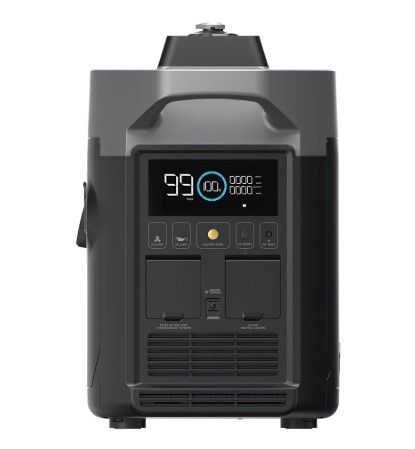
After understanding the basic working principle of dual-fuel generators, you may ask: why should I choose a dual-fuel model instead of a traditional single-fuel generator? The answer lies in three core advantages brought by the dual-fuel design, which can make a significant difference in practical scenarios.
The biggest feature of dual-fuel generators is the flexibility in fuel choice. In daily life, gasoline is relatively easy to obtain, with gas stations widely distributed. But in emergencies, such as after a natural disaster, gasoline supply may be interrupted, or long lines may form at gas stations. At this time, if the household has stored propane cylinders, the generator can continue operating.
This dual protection mechanism gives households more confidence during sudden power outages. Even if one fuel is primarily used, the presence of a second fuel acts like insurance for the power supply. When the main fuel is depleted or unavailable, the backup fuel can immediately take over, ensuring that essential appliances such as refrigerators, lighting, and medical devices continue to operate.
Because it can use two types of fuel, the total runtime of a dual-fuel generator is much longer than that of a single-fuel generator. For example, a standard generator with a full tank of gasoline may run for 8 hours; with propane supply added, the total runtime can easily double or even more.
In prolonged power outages, this extended runtime is extremely valuable. For example, after hurricanes, snowstorms, or other severe weather, it may take several days for the power grid to be restored. Owning a dual-fuel generator means less frequent refueling, reducing the risk and hassle of going out for fuel, and allowing the household to wait for power restoration in comfort.
Propane is a relatively clean fuel. Compared with gasoline, propane produces lower carbon emissions and fewer particulates and toxic gases when burned. This means that when using propane, the generator pollutes the environment less, and the surrounding air quality is better.
For environmentally conscious households, propane can be prioritized in daily use, meeting power needs while reducing environmental impact. Using propane for camping or outdoor activities also keeps the surrounding environment clean, without affecting the experience of other campers due to generator emissions.
Before purchasing a dual-fuel generator, the most important step is to accurately calculate household power requirements. Choosing a generator that is too large causes waste, while choosing one that is too small will not meet basic electricity needs.
According to the U.S. Energy Information Administration, the average U.S. household consumes approximately 11,000 kWh per year, equivalent to about 30 kWh per day (30,000 Wh). However, this is only an average; actual consumption varies greatly depending on household size, number of appliances, and seasonal factors.
To estimate accurately, check past electricity bills and identify the months with the highest usage. Typically, summer (due to air conditioning) or winter (due to heating) are peak electricity periods. Record the daily average for the peak month to understand the worst-case power demand.
Appliance power requirements are divided into starting power and running power. Starting power is the electricity required at the moment an appliance is turned on and is usually much higher than normal running power. For example, a refrigerator compressor may require 3 to 4 times its normal running power at startup. Air conditioners, water pumps, power tools, and other devices exhibit similar characteristics.
When calculating generator capacity, starting power must be considered; otherwise, the generator may not be able to start these appliances. Check the appliance nameplate for power ratings, or use a power meter to measure actual electricity consumption.
During a power outage, it is not necessary to power the entire house, only the critical appliances. Typical key appliances include:
- Refrigerator/Freezer: Keep food fresh and prevent waste
- Lighting Systems: Ensure basic illumination and safety
- Medical Equipment: Such as oxygen machines, ventilators, and other life-support devices
- Communication Devices: Phone chargers, Wi-Fi routers
- Heating/Cooling Devices: Depending on the season, may be electric heaters or fans
- Water Pumps: Essential if using well water
Add the starting power of these appliances together, then leave a 20% margin to determine the minimum required generator power. Dual-fuel generators typically range from 5,000 W to 12,500 W, with 7,000–10,000 W models being suitable for most households.
With many models on the market, how do you select a dual-fuel generator that truly meets your needs? The following key factors can help you make an informed decision.
Power is the primary consideration when choosing a generator. As mentioned, it must be calculated according to household electricity demand. Note that rated power and maximum power are different. Rated power is the power the generator can continuously output, while maximum power is the peak it can briefly handle.
Choose based on rated power to ensure stable long-term operation. If budget allows, select a model slightly larger than required to allow room for potential future electricity demand increases.
Tank capacity determines runtime when using gasoline. Dual-fuel generator tanks usually range from 3 to 8.5 gallons. For example, a 5-gallon tank filled with gasoline can run approximately 8 hours (actual time depends on load).
Propane runtime depends on cylinder size. A standard 20-pound propane cylinder (commonly used for grills) can support generator operation for about 5 hours. Using a larger cylinder, such as a 100-pound tank, can significantly extend runtime.
When choosing, consider whether fuel capacity meets your needs. If you want overnight operation without waking up to refuel, select a larger capacity model or prepare multiple propane cylinders.
Generators produce noise during operation, which is unavoidable. Traditional dual-fuel generators operate at 65–70 dB, similar to normal conversation volume. Inverter generators can reduce noise to 50–60 dB, making them quieter.
Noise is especially important in scenarios such as camping, residential use, or when the generator is placed near bedrooms. Low-noise models, mufflers, and sound insulation materials can effectively reduce noise.
The size and weight of a generator directly affect portability. Small generators may weigh only a few dozen pounds and can be moved by one person but usually have lower power. Large generators may weigh hundreds of pounds; even with wheels and handles, moving them requires effort.
If the generator will remain stationary, weight is less important. For frequent relocation, such as camping, RV use, or work sites, choose a lightweight model or ensure proper transport tools.
Modern dual-fuel generators offer multiple starting methods:
- Manual Start: Traditional pull cord, reliable but physically demanding
- Electric Start: Button-operated, convenient; requires battery maintenance
- Remote Start: Operate from a distance, useful in severe weather without going outside
- Automatic Start: Connects to the home electrical system; starts during outages and shuts down when power returns; requires professional installation
- Smartphone App Control: Connect via Bluetooth or Wi-Fi to monitor status, start, or stop remotely
Safety is always paramount. High-quality dual-fuel generators should include:
- Carbon Monoxide Protection: CO sensors shut down the generator if concentrations are too high; some models feature enclosed exhaust for safe emissions
- Overload Protection: Automatically cuts output if connected load exceeds capacity
- Low Oil Protection: Shuts down engine when oil is insufficient
- Overheat Protection: Stops the engine if temperature is too high to prevent damage
Modern generators often include LCD screens displaying voltage, frequency, runtime, and fuel level. Some models can connect to a smartphone app to check detailed data and receive maintenance alerts. These monitoring features facilitate daily use and help detect potential issues early, extending generator lifespan.
After understanding the technical features of dual-fuel generators and the differences between the two fuels, the next step is to see how these characteristics perform in real-life scenarios. Different usage situations place different demands on a generator, and the flexibility of a dual-fuel design often brings unexpected value in these contexts.
For households in areas with unstable electricity, dual-fuel generators are essential backup power. Place the generator outdoors in a well-ventilated area, at least 20 feet from the house, and use dedicated cables to bring power inside. Never operate in garages, basements, or indoors to prevent carbon monoxide poisoning.
Regularly test the generator to ensure it can start properly when needed. Operating once a month for 15–30 minutes keeps the engine in good condition and helps identify potential issues early.
RVs and camping enthusiasts are also key users of dual-fuel generators. In remote areas without grid power, the generator is the only electricity source.
Noise control is important during camping. Choose low-noise models, avoid using high-power appliances at night, and respect the rest of other campers. Propane is ideal for camping because it burns cleanly and odorlessly, not affecting the outdoor experience.
For RV users, dual-fuel generators are not only for emergencies but also a standard part of daily travel. Propane is easier to store and carry during long trips and more accessible in remote areas than gasoline.
At construction sites or work areas requiring mobile power, the flexibility of dual-fuel generators is equally valuable. Users can choose the fuel that is easier to obtain or more economical, reducing operational costs.
Dual-fuel generators, with their fuel flexibility, extended runtime, and environmental benefits, are ideal for home backup power. Whether responding to sudden outages, outdoor activities, or long-term emergency preparedness, they provide reliable electricity. When selecting a generator, determine the required power according to actual needs, and pay attention to fuel capacity, noise level, starting method, and other key parameters. During use, follow safety precautions and perform regular maintenance to ensure the generator delivers maximum value in critical moments. Owning a dual-fuel generator is like having double insurance for your home’s power supply. In the face of natural disasters, grid failures, and other uncertainties, the peace of mind it provides is irreplaceable by any other device.
