
An inverter generator is a modern, portable power device designed to produce electricity by burning fuels such as gasoline, propane, or diesel. Unlike conventional generators, inverter generators incorporate an additional, critical step in the electricity production process: the alternating current (AC) generated by the alternator is first converted into direct current (DC) and then inverted back into AC for output. While this may seem like a redundant step, it is essential for providing cleaner, more stable electricity.
All standalone gasoline, propane, or diesel generators require three fundamental components to operate: a fuel source, an engine, and an electromagnetic generator. Beyond these core components, inverter generators integrate additional systems that process and regulate AC power, enabling high-quality, stable electricity suitable for sensitive devices and modern applications.
To understand the inner workings of an inverter generator, it is necessary to examine its key components. A fully assembled inverter generator contains seven main components, each with a specific function, working together to convert fuel into reliable electrical power.
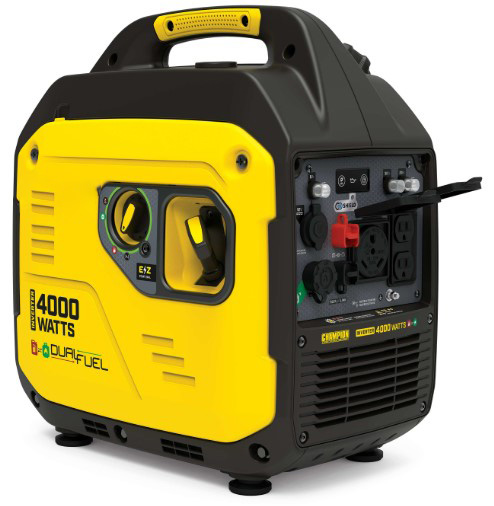
The fuel system stores and delivers the energy source required for generator operation. Portable fuel generators typically store gasoline, propane, or diesel in an onboard tank. Standby generators may connect directly to natural gas pipelines, eliminating the need for a tank. Regardless of fuel type, both conventional and inverter generators cannot operate without fuel.
It is crucial to note that fuel combustion produces carbon monoxide (CO), a toxic gas. Therefore, generators must never be used indoors or in poorly ventilated spaces. Safe installation guidelines recommend maintaining a distance of at least 6 meters from windows or doors and approximately 1.5 meters from flammable materials. Some modern inverter generators are equipped with CO safety mechanisms, which automatically shut down the generator if CO concentrations become unsafe, preventing accidents.
The starting system supplies a brief electrical pulse to ignite the engine. Once combustion begins, the generator can run continuously until fuel is depleted. Traditional generators often rely on manual pull-start mechanisms, while modern inverter generators typically use digital or automatic starters, providing convenience and ease of use. Some advanced models even feature remote or push-button start functions.
The engine is the heart of all fuel-powered generators, functioning similarly to a car engine. It converts the chemical energy of the fuel into mechanical energy, driving the generator. Engine performance directly influences the output power, stability, and efficiency of the generator.
When selecting an engine, three primary factors must be considered:
- Output Power: Smaller engines are suitable for powering light loads such as computers or lighting, while larger engines are needed for air conditioners, heavy appliances, or multiple devices running simultaneously.
- Cooling Efficiency: A high-quality generator includes an efficient cooling system to prevent overheating during extended operation.
- Lubrication Management: Proper lubrication reduces friction and wear, prolonging engine life and ensuring consistent performance.
The alternator converts mechanical energy from the engine into electrical energy. As the engine shaft rotates, it creates a changing electromagnetic field, producing AC electricity. The frequency of the output is directly proportional to the engine’s rotational speed.
An alternator consists of two primary parts:
- Stator: The stationary part, including the base, stator core, coil windings, and mounting structure.
- Rotor: The rotating part, which contains the rotor core, magnetic poles, slip rings, fan, and rotor shaft.
Bearings, supports, and end caps connect the rotor and stator, allowing the rotor to spin within the stator. A controlled excitation current applied through the slip rings generates a rotating magnetic field, inducing voltage in the stator coils. This voltage is then supplied to external circuits, generating usable electricity.
The rectifier is the first distinguishing feature of inverter generators compared to conventional generators. It converts the AC output from the alternator into DC. While DC is more stable than AC, it is not ideal for long-distance transmission, as energy loss can occur. By converting AC to DC internally, inverter generators minimize energy loss while providing a more stable current form for further processing.
The inverter is the defining component of an inverter generator, giving the device its name. It converts DC back into stable, controllable AC. After this inversion, the output AC is significantly more reliable and efficient.
Inverter operation is managed by power electronic devices such as IGBTs (Insulated-Gate Bipolar Transistors) or thyristors. The inverter can adjust engine speed and load to regulate output voltage and frequency. Advanced control techniques, such as vector control and direct torque control, allow precise management of output power and generator speed.
It is important to understand that the inverter does not generate electricity. Its role is strictly to convert and regulate current. Standalone inverters or power converters differ from inverter generators in function and usage.
Modern inverter generators are equipped with sophisticated control panels, which enable the user to manage various functions, including automatic shutdown, timing, and integration with household electrical systems via transfer switches. The control panel also allows monitoring of generator performance and output parameters, providing a safe and convenient interface for users.
The operation of an inverter generator can be divided into three primary stages, each performing a specific function:
The engine converts fuel energy into mechanical motion, which drives the alternator to produce unregulated AC. At this stage, the engine must maintain a constant speed to provide stable power. Any deviation in rotational speed causes fluctuations in output voltage and frequency.
This raw AC is typically unstable and cannot safely power sensitive electronics. Conventional generators often output this AC directly, whereas inverter generators proceed to additional processing stages for stabilization.
The raw AC is fed into the rectifier and converted into DC. This conversion incurs minimal energy loss while producing a more stable form of current. DC stability is critical, as it serves as the foundation for precise output regulation in the next stage.
The DC is then fed into the inverter, which converts it back into clean, stable, and controlled AC. The inverter can adjust the output according to demand, providing precise power while protecting sensitive devices from voltage spikes.
After this three-stage process, the generator produces reliable AC power suitable for computers, medical equipment, and other sensitive electronics.
Raw AC power inherently contains fluctuations, known as harmonics. Even with an automatic voltage regulator (AVR), conventional generators often produce “dirty power” characterized by voltage spikes and surges. This can damage sensitive electronics.
Inverter generators convert AC to DC and then back to AC, significantly reducing total harmonic distortion (THD). Standard inverter generators can achieve THD as low as 1%, providing clean, stable electricity suitable for digital devices and precision instruments.
By contrast, conventional generators typically have higher THD levels, which may harm computers, phone chargers, medical devices, and other sensitive equipment.
One of the core advantages of inverter generators is their ability to precisely regulate AC voltage and frequency through the inverter. This allows accurate control of power output, making them ideal for applications that require frequent adjustment of output power.
For example, in wind energy systems where wind speed varies constantly, an inverter generator can adjust its output in real time, optimizing energy efficiency. By altering engine speed and load using advanced control strategies, such as vector control or direct torque control, inverter generators achieve precise regulation of both power and speed, surpassing conventional generators in efficiency and performance.
Inverter generators can handle both AC and DC power. By converting DC into variable-frequency AC, they can meet diverse load requirements. This flexibility makes inverter generators suitable for a wide range of applications, from household appliances to industrial machinery.
Portable inverter generators are known for user-friendly operation: simply turn on the power, plug in devices, and electricity is ready. Internally, multiple stages of conversion ensure stable, clean power delivery.
Modern inverter generators also include multiple safety mechanisms:
Overload Protection: Prevents the generator from exceeding safe operating limits.
Short-Circuit Protection: Protects the generator and connected devices from electrical faults.
Low Oil Pressure Protection: Automatically shuts down the engine if lubrication is insufficient.
CO Safety Mechanism: Shuts down the generator if CO concentrations become unsafe.
Inverter generators are versatile, suitable for home backup power, portable use, and high-power off-grid or whole-home systems. Multiple units can be connected in parallel to increase output power. This modularity allows users to configure the system according to specific needs—whether powering a few lights during camping trips or providing backup power for an entire home during outages.
When selecting an inverter generator, consider the following factors:
- Power Requirements: Calculate the total wattage of devices to be powered and choose an appropriately sized generator.
- Fuel Type: Gasoline, propane, or diesel, based on availability and storage considerations.
- Portability: Weight, size, and mobility.
- Noise Level: Decibel rating, especially for residential use.
- Runtime: Tank capacity and fuel efficiency determine operation time per refuel.
- Safety Features: CO detection, overload protection, and other safety mechanisms.
- Brand and Support: Choose a reputable brand with reliable after-sales service.
Inverter generators convert chemical energy into stable, clean electrical power through multiple stages: fuel combustion, mechanical rotation, electromagnetic induction, rectification, and inversion. Although the internal mechanisms are complex, users enjoy simple, convenient operation.
The key advantages of inverter generators include high-quality power with low THD, suitability for sensitive electronics, precise power regulation, and efficient energy use. Whether used as a home backup, for outdoor work, or recreational activities, inverter generators provide reliable, safe, and clean electricity. Understanding their working principles helps users make informed choices, operate the generator effectively, and maintain it properly for long-term performance.
