
During the use of diesel generators, many users have a common misconception that the lower the load, the better it is for the generator set. However, this understanding is incorrect. In fact, long-term low-load operation poses serious hazards to the generator set, not only reducing equipment performance and service life but also potentially causing frequent faults, which can affect your business operations. This article will discuss in detail the hazards of low-load operation in diesel generators and provide corresponding countermeasures to help you better manage and maintain the generator set.
Low-load operation of a diesel generator refers to a situation in which the generator's output power during actual use is far below its rated design power. Typically, when the actual load of a generator is less than 40% of its rated power, it is considered low-load operation. For example, if a diesel generator with a rated power of 100 kW actually outputs only 30 kW, it is operating under low load.
This operating mode is more common in some backup power systems, small engineering projects, or temporary electricity use scenarios, and may result from improper equipment selection, backup power test runs, or temporary power demand. Although low-load operation is sometimes unavoidable, long-term low-load operation can seriously damage the generator set, affecting its performance and service life. Therefore, it is necessary to adopt corresponding countermeasures to mitigate these hazards.
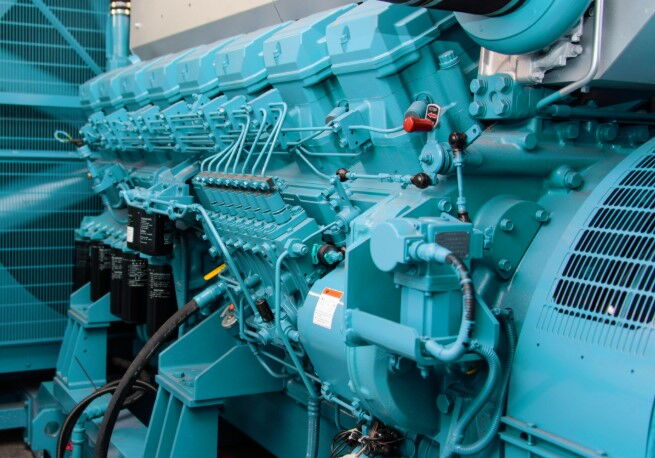
When a diesel generator operates under low load, it faces many problems. These problems not only affect equipment performance but also shorten its service life and increase maintenance costs. Understanding these hazards helps us better manage and maintain the generator set, avoiding unnecessary losses.
When the load of a diesel generator is too low, the temperature in the combustion chamber will be lower than the normal operating temperature. This causes fuel to fail to fully combust, and the injection pressure may also be insufficient, resulting in poor fuel atomization. Unburned carbon soot and oil residues accumulate on the piston crown, valves, injectors, and inside the combustion chamber. These carbon deposits not only reduce the generator's power but also increase fuel consumption and the risk of difficult starting. In severe cases, carbon deposits may even jam piston rings and valves, preventing normal operation of the equipment.
Low-temperature operation allows fuel to pass through the piston rings into the crankcase, diluting the engine oil. The lubrication performance of the oil is thus reduced, accelerating wear of moving engine components such as cylinder liners, pistons, and crankshaft bearings. At the same time, water generated during combustion cannot evaporate in time, causing the oil to emulsify and further lose lubrication and anti-rust capability. In addition, sulfur compounds produced during combustion (from sulfur in the fuel) combine with water vapor to form acidic substances (such as sulfuric acid), which corrode the cylinder walls, causing serious "cold corrosion" wear. This wear is far more severe under low load than normal mechanical wear under rated load.
Generators operate most efficiently near rated power. During low-load operation, the proportion of self-loss increases, leading to overall low efficiency and uneconomical operation. At low load, engine heat generation is small, the thermostat cannot fully open, and the coolant mostly circulates in a small loop. This causes large temperature differences across engine components, uneven thermal stress, and keeps the oil and cylinder liners below optimal operating temperatures, accelerating wear and corrosion.
Long-term low-load operation causes increased wear on moving components and worsens the engine combustion environment, shortening the interval between major overhauls. The fuel system lacks adjustment functions; when the generator load is insufficient, the combustion system continues supplying fuel normally. In this case, fuel only partially combusts to match the low demand, increasing the carbon content in the system, depositing within it, affecting system efficiency and functionality, and potentially causing failure of system equipment and valves.
After understanding the hazards of low-load operation, it is important to focus on identifying the specific manifestations of these hazards. Only by accurately recognizing these typical signs can timely measures be taken to prevent further damage to the equipment. The following are some common manifestations of low-load operation, which can help quickly determine whether the equipment is operating in an unhealthy state.
If the load is too low, poor sealing between the piston and cylinder liner allows engine oil to enter the combustion chamber and burn, producing blue smoke and polluting the air. This phenomenon indicates that engine oil is being burned and also suggests decreased engine sealing performance, requiring timely inspection and maintenance.
For turbocharged diesel engines, low-load or no-load operation reduces engine boost pressure, weakening the sealing effect of the turbocharger oil seal (non-contact type). Oil can enter the turbo chamber and then the cylinders via the intake, further shortening the generator's service life. When oil accumulates in the turbocharger to a certain extent, it may leak from the turbo's mating surfaces.
Low load reduces the generator set's power output and degrades equipment performance. Carbon buildup and low-temperature operation cause piston rings to lose elasticity, preventing proper sealing, resulting in insufficient compression and serious blow-by, forming a vicious cycle. These factors lead to reduced output power and inability to meet actual demand.
Incomplete combustion, carbon buildup, and oil contamination caused by low-load operation significantly increase equipment failure risk. This not only causes unplanned downtime, affecting business operations, but also raises maintenance costs. Many users report oil leaks in their generators, mostly due to long-term operation under too low a load.
After understanding the hazards and typical signs of low-load operation, we will discuss some effective countermeasures. These strategies aim to reduce the negative impact of low-load operation, prolong equipment life, and ensure efficient and stable operation.
This is the most important and effective measure to address low-load operation hazards. At least once every 10–20 running hours, operate the generator at 70–80% of rated load for 1–2 hours. High-temperature, high-pressure combustion can burn off or blow out carbon deposits, bring the engine to normal operating temperature, evaporate fuel and water in the oil, and reduce acidic corrosion in cylinder liners.
When purchasing a diesel generator, select it based on actual average and peak load to avoid "excess capacity." The optimal operating load of a generator is usually 60–80% of rated power. Proper sizing ensures the equipment runs under the most economical and efficient conditions.
Choose engine oils designed for frequent start-stop or low-load operation (such as CF-4 or higher), which have better cleaning, dispersing, and anti-oxidation properties. At the same time, use high-quality diesel with low sulfur content to reduce the formation of acidic substances at the source.
Shorten the oil and filter replacement cycle, as low-load operation makes oil more prone to contamination and dilution. Laboratory analysis of oil samples can accurately measure contaminants (fuel, water, metal particles), enabling a scientific maintenance plan. Frequently check air filters to ensure unobstructed intake. Also, closely monitor exhaust color and generator operating parameters such as oil pressure and coolant temperature.
Perform at least one "load" test annually, operating the diesel generator at full load for several hours to thoroughly clean the engine and remove carbonized oil deposits from the exhaust system and engine. This helps restore performance and prolong service life.
The hazards of low-load operation in diesel generators are comprehensive and severe, mainly including incomplete combustion, oil contamination, and reduced engine performance. To avoid these hazards, users should adopt measures such as regular high-load operation, proper sizing, using high-quality oil and fuel, shortening maintenance intervals, and strengthening monitoring. Additionally, conducting an annual "load" test is an important method to ensure equipment performance. Implementing these strategies can effectively reduce the hazards of low-load operation, prolong equipment service life, reduce maintenance costs, and ensure smooth business operations.
In short, the use and maintenance of diesel generators require scientific and reasonable management. Avoiding long-term low-load operation, performing regular high-load operation and maintenance, and selecting suitable equipment and materials are key to ensuring efficient and stable generator operation. It is hoped that the content of this article will help you better understand and address the issues of low-load operation in diesel generators, providing strong support for your equipment management and business operations.
