
In situations where the power supply is unstable or a backup power source is needed, generators become important equipment for households and businesses. The generators commonly found on the market are mainly divided into two types: gasoline generators and natural gas generators. Although both can provide power support, there are significant differences in fuel characteristics, usage costs, maintenance requirements, and other aspects. This article will compare these two types of generators in detail from multiple dimensions to help you make a wise choice based on your actual needs.
- Physical Characteristics of Gasoline: Gasoline is a liquid fuel refined from crude oil, mainly composed of hydrocarbons, along with oxygen, sulfur, and nitrogen. From its origin, gasoline is a fossil fuel formed over millions of years: the organic remains of prehistoric plants and organisms were buried in silt, soil, and rock, and after long-term exposure to high temperature and pressure, they were eventually converted into crude oil, which is then refined into gasoline. The hydrocarbon molecules in conventional gasoline are relatively heavy, allowing it to remain in liquid form at room temperature, and it has characteristics of high volatility and flammability.
- Physical Characteristics of Natural Gas: The main chemical component of natural gas is methane, which is a colorless and odorless gas. Similar to gasoline, natural gas is also a fossil fuel formed from prehistoric organic matter that underwent high temperature and pressure transformation within rock formations. The difference is that natural gas exists only in gaseous form and is usually stored in sandstone or shale formations, requiring drilling or fracturing techniques for extraction. In the United States, natural gas accounts for approximately 30% of total energy consumption and is a primary energy source for residential heating, air conditioning systems, and backup generators.
- Summary of Core Differences: In terms of physical state, gasoline is liquid while natural gas is gas; in terms of molecular structure, gasoline contains heavier hydrocarbons, while natural gas is mainly methane; in terms of application scenarios, gasoline is mainly used in transportation, while natural gas is more often used for energy supply in fixed locations. These fundamental differences directly determine the different performance, costs, and user experiences of the two types of generators.
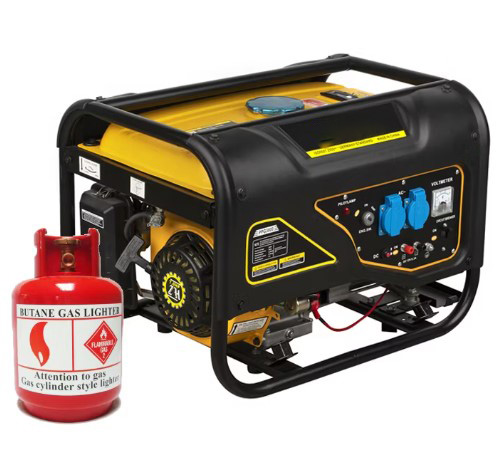
Natural gas generators release energy by burning natural gas, converting chemical energy into mechanical energy and then into electrical energy. The working process includes the following key steps:
First is fuel intake. After air is drawn into the combustion chamber, the natural gas injection system mixes natural gas with air and injects it into the combustion chamber. The mixed gas is compressed, and both pressure and temperature increase simultaneously. Then, the spark plug ignites the compressed air–natural gas mixture, producing a controlled explosion that pushes the piston downward. The piston movement drives the crankshaft to rotate, and finally the generator converts mechanical energy into electrical energy output.
Modern natural gas generators are usually directly connected to residential or commercial gas pipelines, which means the fuel supply is continuous and does not require frequent manual refueling. This design makes them an ideal choice for backup power in fixed locations.
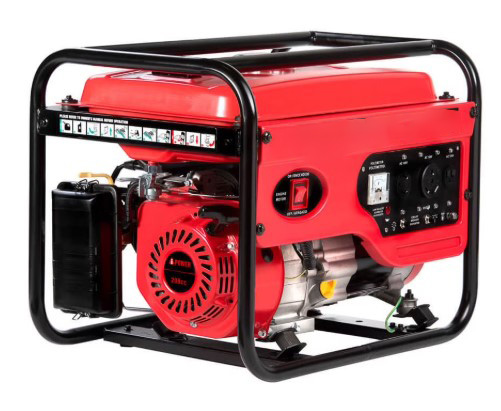
The working principle of gasoline generators is similar to that of natural gas generators, both using an internal combustion engine to burn fuel to drive the generator. The main difference lies in the fuel supply method: gasoline needs to be stored in a fuel tank in advance and enters the combustion chamber through a carburetor or fuel injection system. Gasoline burns in the cylinder to generate thermal energy, pushing the piston to move, which in turn drives the alternator to generate electrical energy.
A notable advantage of gasoline generators is their fast startup speed, usually allowing them to be put into operation within a short time. This characteristic gives them irreplaceable value in emergency response scenarios.
- Outstanding Environmental Performance: Natural gas burns more cleanly, producing significantly lower emissions of carbon dioxide, nitrogen oxides, and sulfur compared to gasoline. For users concerned about carbon footprint, natural gas generators are a more environmentally friendly choice. Clean combustion also reduces carbon buildup inside the engine, lowering equipment wear.
- Lower Operating Costs: Natural gas prices are usually more stable and lower per unit cost than gasoline. Due to the widespread coverage of urban gas pipelines, there is no need to consider fuel transportation and storage costs. Taking a 7 kW generator as an example, a natural gas generator consumes about 118 cubic feet of natural gas per hour at full load, while a gasoline generator of the same capacity consumes about 0.75 gallons of gasoline per hour. Overall, natural gas has a clear advantage in unit energy cost.
- Lower Maintenance Requirements: Due to cleaner combustion products, natural gas generators experience less engine wear, and maintenance frequency is lower than that of gasoline generators. In the long run, this can significantly reduce maintenance costs and downtime.
- Stable Fuel Supply: Natural gas is transported through pipelines and does not require on-site storage, eliminating the issue of fuel degradation. Under normal gas infrastructure conditions, supply reliability exceeds 99%, making it suitable for critical scenarios requiring continuous power supply.
- Longer Equipment Lifespan: Thanks to clean combustion and low wear characteristics, natural gas generators generally have a longer service life than gasoline generators, resulting in a higher long-term return on investment.
- Low Purchase Cost: The initial investment for gasoline generators is significantly lower than that for natural gas generators. Small portable gasoline generators can be purchased for around $500, while large equipment typically does not exceed $4,000. In contrast, small natural gas generators cost between $2,000 and $6,000, and large whole-house standby systems exceed $10,000, with additional professional installation costs.
- Strong Portability: Gasoline generators are compact and lightweight, often equipped with handles or wheel kits, making them easy to transport. Their power range is typically between 1,000 and 10,000 watts, making them suitable for outdoor activities, construction sites, camping, and other mobile scenarios.
- Fast Startup Speed: Gasoline generators can start quickly and be put into operation in a short time, offering fast response speed suitable for emergency power needs.
- Convenient Fuel Availability: Gasoline is widely available at gas stations and is easy to replenish. For remote areas without gas pipeline coverage, gasoline generators are the only feasible option.
- Low Initial Investment Threshold: For users with limited budgets or those who only need short-term or occasional use, the low purchase cost of gasoline generators is more attractive.
- Dependence on Pipeline Infrastructure: Natural gas generators must be connected to a gas pipeline network and are not portable. They cannot be used in remote areas or locations without pipeline coverage. More importantly, during natural disasters such as earthquakes and floods that affect gas infrastructure, natural gas generators may not operate, which contradicts the purpose of backup power.
- Higher Initial Investment: The cost of equipment and installation is significantly higher than that of gasoline generators, requiring professional design and construction, resulting in higher upfront financial pressure.
- Slightly Slower Startup: Compared with gasoline generators, natural gas generators have a slightly longer startup time, which may not be ideal in scenarios requiring second-level response.
- Peak Power Limitations: Due to the lower energy density of natural gas compared to gasoline, the instantaneous output power of natural gas generators may be slightly lower under the same volume, making them less suitable for loads with high starting currents.
- Fuel Storage Issues: Gasoline must be stored in containers that meet safety standards, and its shelf life is usually 3 to 6 months. Beyond this period, it gradually degrades and requires stabilizers to extend its life. Improper storage poses risks of fire and explosion.
- High Operating Costs: Gasoline prices fluctuate significantly and are generally higher than natural gas, resulting in significantly higher long-term operating costs. Frequent refueling also adds inconvenience.
- Frequent Maintenance: Gasoline combustion produces carbon deposits, requiring more frequent maintenance, including oil changes, spark plug cleaning, and filter inspections. Neglecting maintenance can lead to performance degradation or even failure.
- Noise and Emissions: Gasoline generators are usually noisier and produce more pollutants in exhaust emissions, limiting their use in enclosed or densely populated areas.
- Fuel Supply Risks: In emergencies such as large-scale power outages or natural disasters, gasoline supply may be interrupted or require long waiting times, making it less reliable than pipeline natural gas.
After understanding the working principles and respective advantages and disadvantages of the two types of generators, cost becomes the most practical concern for most users. After all, choosing a generator is not only about the upfront purchase price but also about the long-term economic balance. Next, we compare the real cost differences between gasoline generators and natural gas generators from three dimensions: initial investment, operating cost, and maintenance cost.
Gasoline generators have an absolute advantage in initial purchase cost. Portable small units can be purchased for around $500, and even high-power household models rarely exceed $4,000. Natural gas generators are more expensive, with small units ranging from $2,000 to $6,000, and whole-house standby systems exceeding $10,000, plus several thousand dollars in installation costs. For users with limited budgets, gasoline generators are a more realistic choice.
From a long-term operation perspective, natural gas generators are more economical. Natural gas prices are less affected by market fluctuations and have lower unit energy costs than gasoline. Taking a 7 kW generator as an example, assuming 8 hours of operation per day, the annual fuel cost savings of natural gas are considerable. In addition, natural gas does not require storage equipment, saving on tank purchase and safety facility investments.
Although gasoline generators are cheaper initially, their fuel costs are higher and stored fuel needs to be replaced periodically, and the long-term cumulative expenses may exceed those of natural gas generators.
Natural gas generators burn cleanly, resulting in less carbon buildup inside the engine, lower wear, longer maintenance intervals, and lower per-service costs. Gasoline generators require more frequent maintenance, including oil changes, filter cleaning, and carburetor adjustments. Over a ten-year usage cycle, the total maintenance cost is usually higher than that of natural gas generators.
Considering purchase, fuel, maintenance, and replacement costs, if the usage frequency is high (e.g., more than 200 hours per year), natural gas generators usually have a lower total cost of ownership. For occasional use (e.g., only a few times a year during outages), gasoline generators with lower initial investment may be more cost-effective.
Different application scenarios have completely different requirements for generators, some require long-term stable power supply, some prioritize portability and flexibility, while others focus on immediate usability. Based on the characteristics compared above, the following recommendations are provided for typical scenarios to help you quickly identify the most suitable generator type.
Fixed residential backup power with existing gas pipeline connection
Long-term continuous power demand or frequent use
High environmental requirements and reduced carbon emissions
Sufficient budget with focus on long-term cost efficiency
Noise-sensitive environments
Critical facilities such as medical institutions and data centers
Limited budget and need to control initial cost
Mobile use such as camping, outdoor work, and construction sites
Areas without gas pipeline coverage
Emergency response requiring quick startup
Occasional use with short operating duration
Temporary power solutions without long-term investment plans
After determining suitable scenarios and budget range, two factors cannot be ignored—safety and environmental impact. As combustion equipment, generators involve fuel storage, exhaust emissions, and operational safety, directly affecting user health and environmental responsibility.
Natural gas generators have clear environmental advantages during operation. Burning natural gas emits about 117 pounds of carbon dioxide per million British thermal units, much lower than gasoline. It also produces fewer nitrogen oxides, carbon monoxide, and particulate matter. However, methane leakage during extraction and transportation must be considered, as methane has a greenhouse effect about 25 times stronger than carbon dioxide over a 100-year period. Therefore, selecting advanced and well-sealed equipment and suppliers is important.
Gasoline generators produce more pollutants in exhaust emissions, including nitrogen oxides, carbon monoxide, and fine particulate matter. Nitrogen oxides contribute to ground-level ozone formation and respiratory diseases; carbon monoxide can cause oxygen deprivation; fine particles can penetrate deep into the lungs and trigger cardiovascular issues. The risk is higher in poorly ventilated environments.
Regardless of the generator type, safe operation is essential. Generators should be placed outdoors in well-ventilated areas, away from doors, windows, and vents to prevent carbon monoxide from entering indoor spaces. Fuel pipelines and electrical connections should be regularly inspected to ensure no leakage or aging. Gasoline must be stored in dedicated safety containers away from fire sources and high temperatures. Natural gas generators should be installed by professionals to ensure reliable pipeline connections.
When facing these two options, it is recommended to make decisions based on the following steps:
First, clarify the usage scenario: fixed backup or mobile use? How frequent is the usage? How long does each operation last?
Second, evaluate infrastructure: is there gas pipeline coverage? Are there safe conditions for gasoline storage?
Third, calculate total cost: not only purchase price but also estimate fuel and maintenance costs over 5–10 years.
Fourth, consider environmental requirements: are there emission reduction goals or environmental restrictions?
Fifth, weigh priorities: rank cost, convenience, environmental impact, and reliability to determine which generator better meets core needs.
Gasoline generators and natural gas generators each have their own advantages and disadvantages. There is no absolute “better” option, only the one that is more suitable. Natural gas generators are suitable for users with pipeline access, frequent use, and a focus on long-term economy and environmental performance; gasoline generators are more suitable for scenarios with limited budgets, a need for portability, and low usage frequency. Understanding the essential differences between the two and combining them with your actual needs is the key to making the optimal choice. Regardless of which one you choose, safe operation and regular maintenance are essential to ensure reliable performance.
