37-48 of 391 results
Portable Power Station vs. Inverter Generator: How to Choose

Portable Power Station vs. Inverter Generator: How to Choose

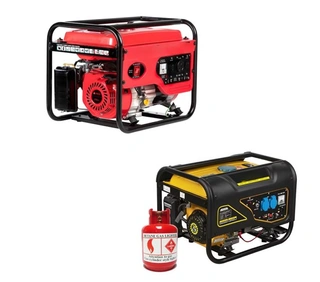
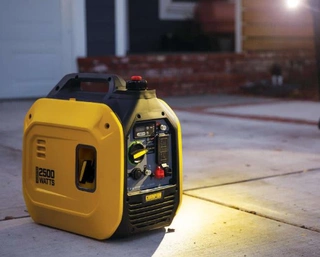
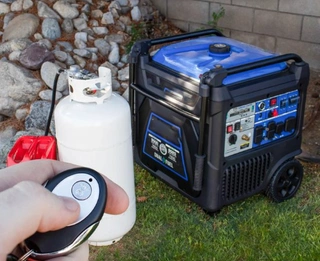
This article provides a detailed comparison between portable power stations and inverter generators, examining their core operating principles, user experience, performance, suitable applications, costs, and environmental impact. It explains how inverter generators use fuel and on-demand engine control for high-power continuous output, while portable power stations rely on stored lithium battery energy for quiet, low-maintenance, and flexible use. The guide helps users select the right solution based on power needs, noise tolerance, portability, and sustainability, making it an essential reference for camping, RV travel, and home emergency backup.
How a Diesel Generator Set Produces Electricity

How a Diesel Generator Set Produces Electricity

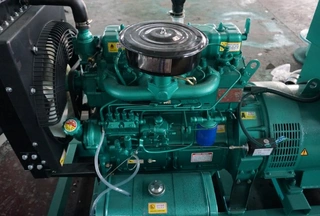
This article provides a detailed explanation of the working principle of diesel generator sets, describing how diesel fuel is converted into electrical energy through a series of energy transformations involving combustion, mechanical motion, and electromagnetic induction. It outlines the structural composition of a typical generator set, including the diesel engine, synchronous generator, control system, cooling components, and base frame. The article also explains the four-stroke energy conversion process inside the engine cylinder and the four stages of diesel combustion that influence engine efficiency and performance. In addition, it discusses the main characteristics, typical applications, and essential operation and maintenance practices of diesel generator sets, helping readers better understand their role as reliable power supply equipment in industrial, agricultural, communication, and public service sectors.
Types of Speed Governors for Diesel Generator

Types of Speed Governors for Diesel Generator

This article explains the working principles and types of diesel generator governors, which are essential for maintaining stable speed, voltage, and frequency in power generation systems. It introduces the basic speed control mechanism and provides a detailed overview of three main governor types: mechanical, electronic, and hydraulic. The article compares their operating principles, advantages, limitations, and suitable applications, from small standby generators to large high-power units. It also discusses key configuration requirements for emergency diesel generators, particularly the need for independent power supplies for electronic governors. By outlining performance characteristics and selection considerations, the article provides practical guidance for choosing the appropriate governor to ensure reliable and stable diesel generator operation.
Complete Guide to Diesel Generator Sets Cleaning

Complete Guide to Diesel Generator Sets Cleaning

This article provides a practical and systematic guide to cleaning and maintaining diesel generator sets, focusing on the removal of scale, oil contamination, and carbon deposits that commonly affect equipment performance. It explains scientific cleaning methods for water tanks, fuel systems, and engine components, while introducing wiping, boiling, spray, vibration, and ultrasonic cleaning techniques. The article also discusses material-specific solvent selection, carbon deposit prevention measures, and standard maintenance workflows. By following these recommended practices and establishing regular inspection and servicing routines, operators can effectively improve generator reliability, reduce failure rates, and extend the overall service life of the equipment.
Guide to Water-Cooled Diesel Generator Cooling System

Guide to Water-Cooled Diesel Generator Cooling System

This article provides a comprehensive overview of water-cooled diesel generator cooling systems, explaining their structural components, dual-circulation working principles, coolant management, and correct drainage procedures. It highlights the performance advantages of water-cooled units in continuous, high-load operations, outlines key industrial applications such as healthcare, data centers, manufacturing, and mining, and details essential maintenance practices to ensure long-term reliability and efficiency. The guide also addresses environmental adaptability in high-altitude and cold regions, offering practical insights for optimizing performance and extending service life.
Single-Cylinder vs. Multi-Cylinder Diesel Generator Sets

Single-Cylinder vs. Multi-Cylinder Diesel Generator Sets

This article provides a comprehensive comparison between single-cylinder and multi-cylinder diesel generator sets, analyzing their differences in power output, torque performance, structural design, manufacturing and maintenance costs, vibration and noise levels, fuel efficiency, thermal management, and service life. It also explores practical application scenarios and offers selection recommendations to help users choose the most suitable diesel generator configuration based on power demand, operating environment, and budget considerations.
Factors Influencing Power Output of Diesel Generator Sets

Factors Influencing Power Output of Diesel Generator Sets

This article explores the key factors affecting diesel generator set power output, including the relationship between kW, kVA, and power factor, hardware power limitations, load characteristics, and environmental influences such as temperature and altitude. By explaining engine and generator constraints, reactive power behavior, and operating conditions, it helps users better understand generator performance, improve equipment selection, and ensure safe, efficient, and reliable power system operation.
Guide to Improving Combustion Efficiency of Diesel Generators

Guide to Improving Combustion Efficiency of Diesel Generators

This article provides a comprehensive yet practical guide to improving combustion efficiency in diesel generator sets. It analyzes key factors affecting fuel combustion, including diesel quality, intake system condition, injection timing, compression pressure, and load management, and offers systematic solutions through proper maintenance, precise fuel injection calibration, and advanced techniques such as water injection and emulsified diesel. By implementing these strategies, operators can reduce fuel consumption, lower emissions, extend equipment lifespan, and achieve both economic and environmental benefits through optimized generator performance.
How to Plan Continuous Power Systems with Diesel Generators

How to Plan Continuous Power Systems with Diesel Generators

Continuous and reliable power supply is essential for modern industrial and commercial operations. This article explores the integrated design of diesel generator sets and UPS power systems for achieving uninterrupted electricity delivery. It explains core configuration requirements, including multi-unit generator parallel operation, intelligent control systems, and secure fuel storage, while highlighting the role of UPS systems in bridging power switching gaps. The guide also discusses operation management, maintenance strategies, battery management, and emergency response planning to ensure long-term system stability, efficiency, and safety in critical power applications.
Causes & Solutions for Diesel Generator Coolant Overheating

Causes & Solutions for Diesel Generator Coolant Overheating

This article provides a comprehensive analysis of diesel generator coolant overheating, explaining the normal operating temperature range, the importance of effective thermal control, and the warning thresholds that require immediate attention. It examines common causes such as coolant leakage, radiator blockage, poor ventilation, fan and water pump failures, thermostat malfunction, overload operation, high ambient temperature, and sensor errors. The article also outlines the potential hazards of overheating, including mechanical damage, lubricant deterioration, seal failure, reduced efficiency, and shortened service life.
High-Temperature Faults in Diesel Generator Sets

High-Temperature Faults in Diesel Generator Sets

This comprehensive guide explains the causes, troubleshooting methods, and preventive measures for high-temperature faults in diesel generator sets. It systematically analyzes overheating issues arising from the cooling system, engine body, combustion system, and improper operation, detailing common failure points such as thermostat malfunction, water pump damage, radiator blockage, injector faults, and overload conditions. The article also outlines practical inspection procedures and maintenance strategies to help technicians quickly identify root causes, restore normal operating temperatures, ensure stable performance, extend equipment service life, and reduce maintenance costs.
Common Faults of Diesel Generator Sets in Low-Temp Conditions

Common Faults of Diesel Generator Sets in Low-Temp Conditions

This article systematically analyzes common faults of diesel generator sets in low-temperature environments, covering the battery system, fuel system, lubrication system, cooling system, compression and valve mechanisms, intake and exhaust systems, mechanical transmission, and electrical control systems. It explains how low temperatures affect fuel atomization, oil viscosity, compression temperature, component clearances, and electrical performance, leading to starting difficulties and abnormal operation.
Total 391 Records, 12 records per page